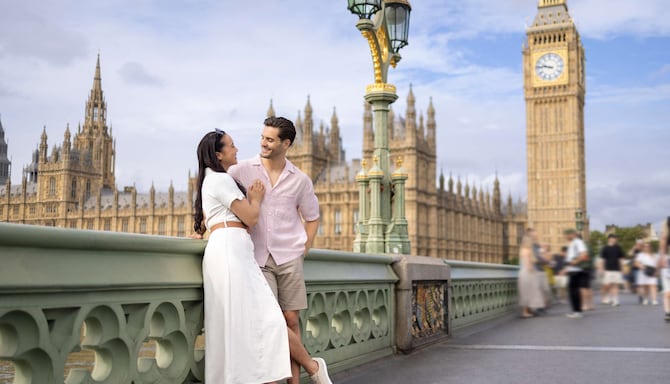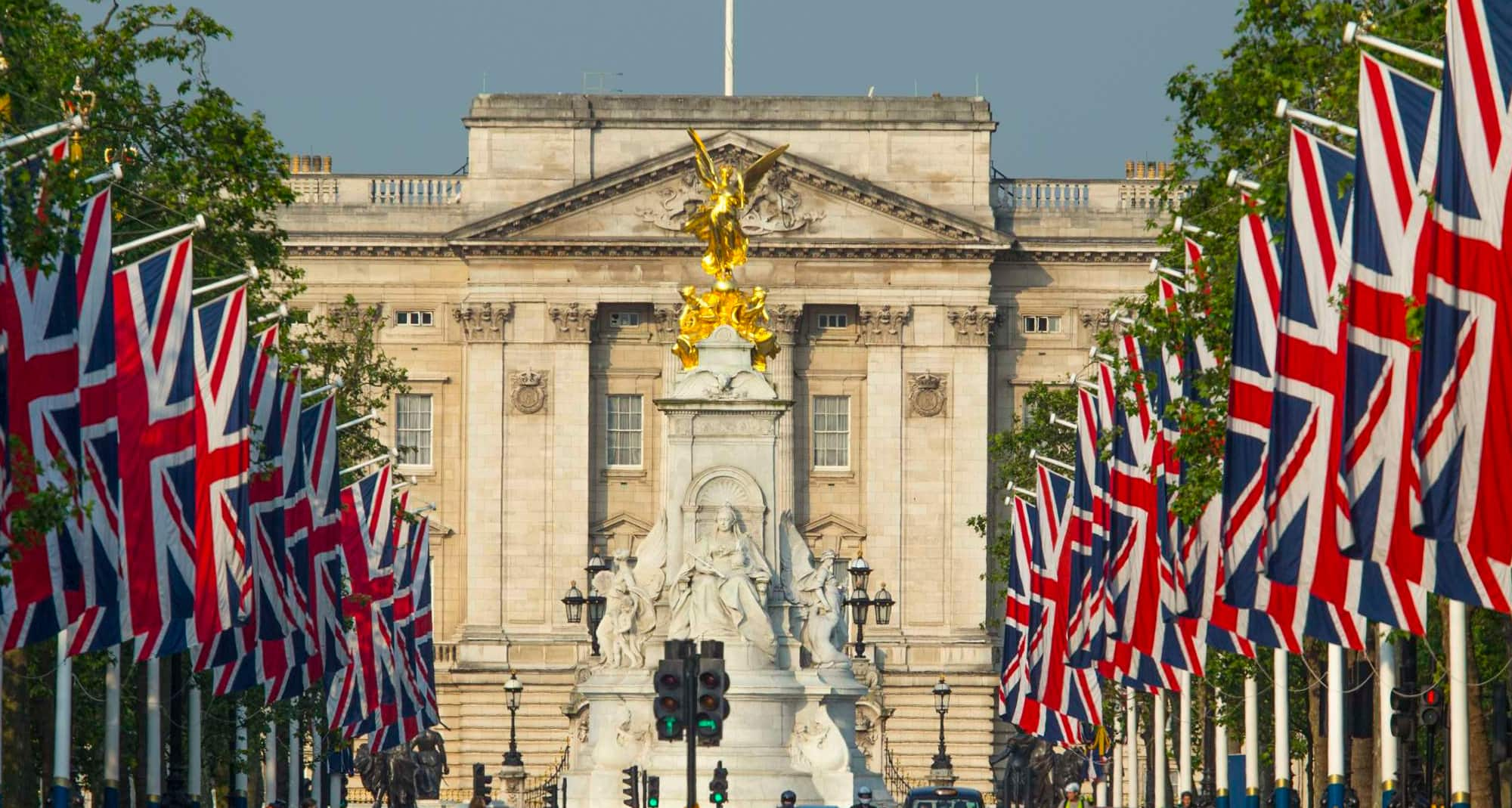
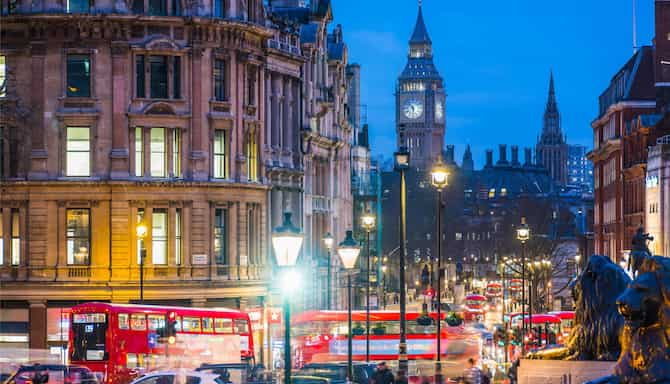

Move between the Tower of London, Westminster Abbey, and Buckingham Palace for royal history.

London packs an enormous amount into a city that is easy to navigate. The capital of the United Kingdom holds four UNESCO World Heritage Sites, and nine of the country's ten most visited attractions sit inside it.
From planning your stay with Radisson Hotels to exploring the Tower of London, Westminster Abbey, Buckingham Palace, the British Museum, and the Royal Botanic Gardens, Kew, this guide gathers the ideas worth your time. Free museums, Thames walks, and West End evenings fill the gaps between the headline landmarks.
Ride the Tube between neighborhoods, climb the galleries of St. Paul's Cathedral, browse Borough Market, and save an afternoon for Kew. It suits first-time visitors, families, museum lovers, food fans, and anyone wanting a full city break without a rushed schedule.
London combines royal landmarks, free national museums, and a fully integrated transport network.
Season | Best for | Travel tip |
|---|---|---|
Spring (March–May) | Royal parks, gardens, museums, mild walking days | Pack layers for chilly mornings, and use the royal parks between indoor stops. |
Summer (June–August) | Palace State Rooms, parks, long light evenings | Book Buckingham Palace State Rooms early, since they open on selected summer dates only. |
Autumn (September–November) | Museums, galleries, theater, quieter indoor days | Bring a rain layer and balance outdoor walks with the free national museums. |
Winter (December–February) | Museums, theater, warm indoor landmarks | Days are short, so plan indoor landmarks first and check opening hours before you go. |
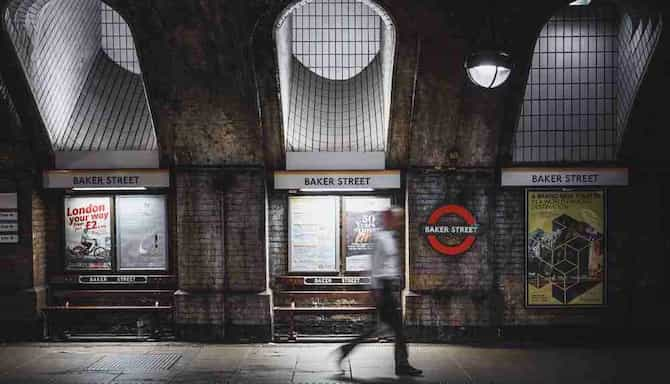
Transport for London runs a fully integrated network, and the city is easiest to explore on foot with the Underground and buses. The Tube runs 11 lines and is the fastest, while trams, the Docklands Light Railway, London Overground, the Elizabeth line, and Thames riverboats fill in. Most attractions sit in Zones 1 and 2.
Pay by contactless card or Oyster, tapping in and out. Fares cap daily, and buses and trams take no cash. From Heathrow, the Elizabeth line and Heathrow Express reach central London, Gatwick Express serves Victoria, and Stansted Express serves Liverpool Street. Black taxis and cycle hire cover the rest, and no car is needed.
No two London trips look quite the same, and one visitor might spend the morning among the Crown Jewels while another heads straight for a gallery or builds the day around a market lunch and an evening show. Pick the threads that suit your pace and leave the rest for a return trip.
These day plans group nearby places so London feels manageable rather than scattered. Each route keeps travel short, leaves room for meals, and assumes you would rather see a few things properly than tick off a long list.
Central London is walkable in patches, but the gaps between them are wider than a map suggests, so lean on the Tube for the longer hops. Add time for a market browse, a gallery detour, or a slow riverside stretch whenever something pulls your attention. Book timed entry where it is offered, and check opening hours before you set out.
Day 1
Day 2
For days one and two, follow the 2-day itinerary at an unhurried pace.
Day 3
| Idea | Why go? | Time needed | Best for |
|---|---|---|---|
| Tower of London | See the Crown Jewels, the White Tower, and Tower Green. | 3–4 hours | History fans, first-time visitors |
| The British Museum | Explore eight million objects across world history and art. | 2–3 hours | Museum visitors, families |
| Westminster Abbey | See the coronation church, Poets' Corner, and royal tombs. | 2–3 hours | History and architecture fans |
| Buckingham Palace | Tour the State Rooms in summer, or watch Changing the Guard. | 2 hours | Royal history fans, families |
| St. Paul's Cathedral | Climb to the galleries for wide views over the city skyline. | 2 hours | Architecture and view fans |
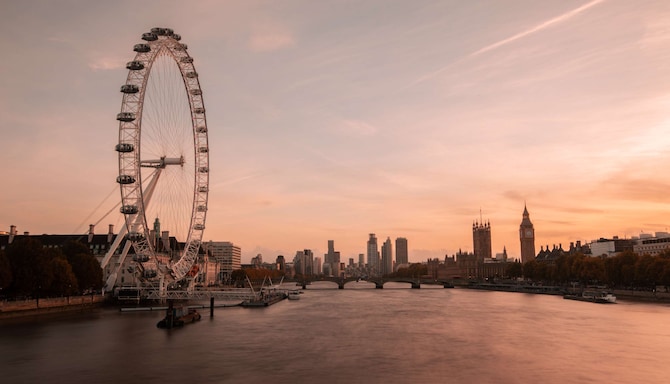
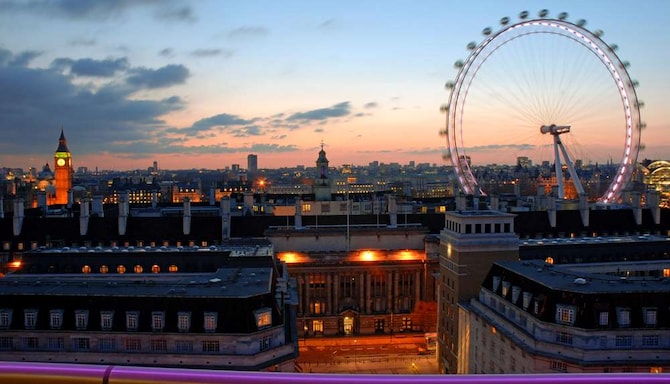
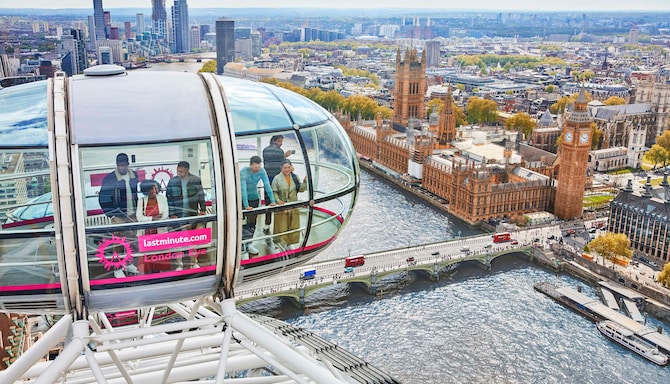
| The London Eye | Ride 135 meters up for a slow circle above the Thames. | 30 minutes | First-time visitors, families |
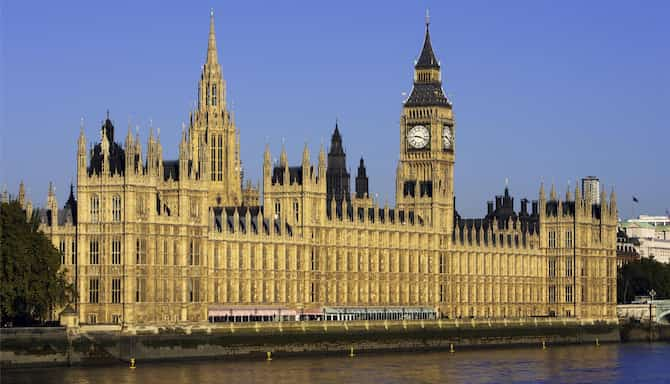
| Houses of Parliament | Tour the Commons, the Lords, and medieval Westminster Hall. | 90 minutes | History and politics fans |
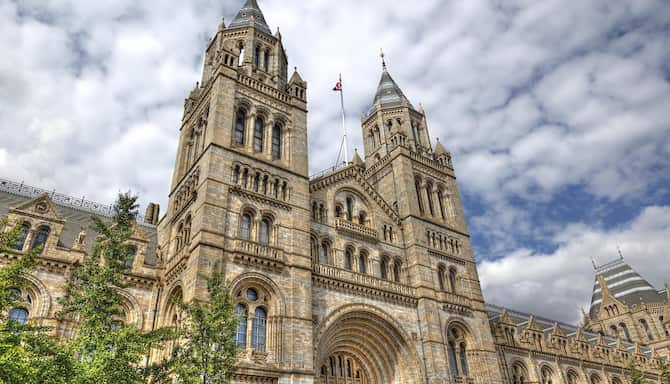
| Natural History Museum | See the blue whale skeleton and the Dinosaur Gallery for free. | 3–4 hours | Families, curious travelers |
| Royal Botanic Gardens, Kew | Walk the glasshouses, arboretum, and Treetop Walkway. | 3–4 hours | Garden lovers, slow walkers |
| Churchill War Rooms | Step into the bunker where wartime decisions were made. | 2 hours | History fans, museum visitors |
English is the everyday language here, so no phrasebook is needed. Tipping is optional rather than expected, and rests on the service received. Many restaurants add a discretionary service charge, which you can ask to have removed. When one is included, no further tip is needed.
Contactless payment works almost everywhere, and buses and trams take no cash. Tap water is safe to drink. Every licensed premises must provide it free by law, even to non-customers, and refill fountains marked with a blue water droplet are dotted across the city. Pubs sit at the heart of British food culture and are the easiest place to try traditional food.


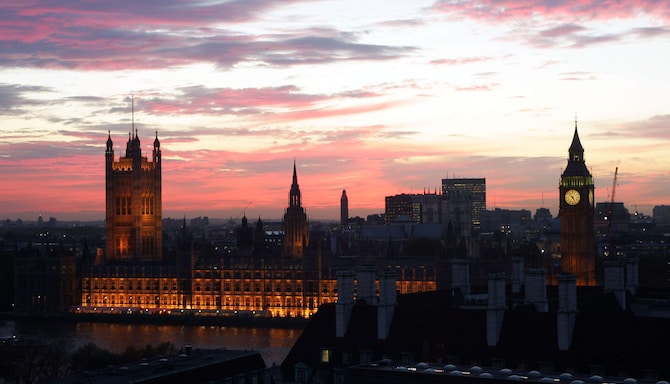
London wears its history in plain sight. Start at the Tower of London, where the Crown Jewels and the White Tower have stood for more than 900 years, then cross the city to Westminster Abbey, the coronation church since 1066. The Houses of Parliament stand alongside it, and tours take in the Commons, the Lords, and Westminster Hall.
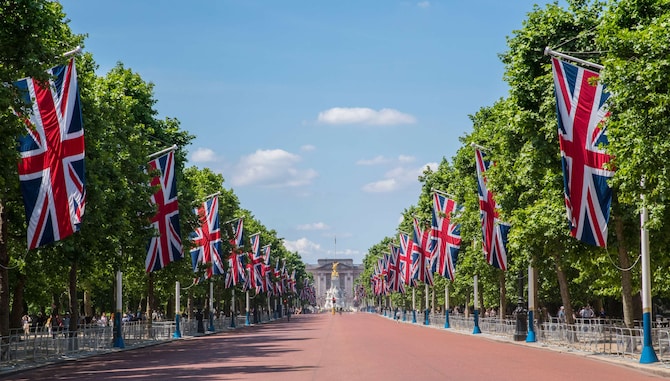
Buckingham Palace opens its State Rooms on selected summer dates, and Changing the Guard is free to watch from outside. Both the Tower and the Westminster sites carry UNESCO World Heritage status, so one day of walking covers a lot of ground. Check opening hours first, since several are working buildings.
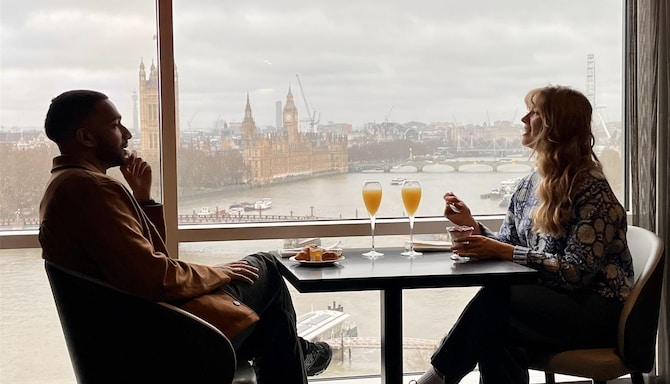
Come hungry, and leave room for at least one long lunch. Fish and chips, a Sunday roast, and a proper afternoon tea are the three dishes most visitors want to tick off, and pubs sit at the heart of British food culture rather than at the edge of it.
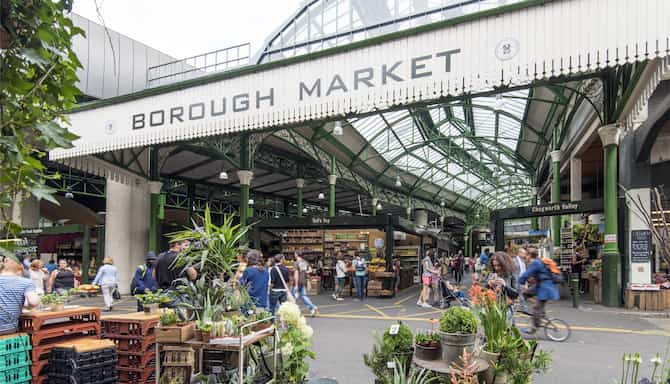
Borough Market is the best known of the city's food markets, while Brick Lane, Camden Market, Broadway Market, and Greenwich Market each draw their own crowd. Sausage rolls and the bacon and egg bap belong to the everyday end of the same tradition. Book ahead for Sunday roasts and afternoon tea, since the good tables go early.
London's national museums are free, and that changes how you use them. The British Museum holds more than eight million objects and drew over 6.4 million visitors in 2024, making it the city's most visited attraction. The Natural History Museum opens its blue whale hall and Dinosaur Gallery at no charge.
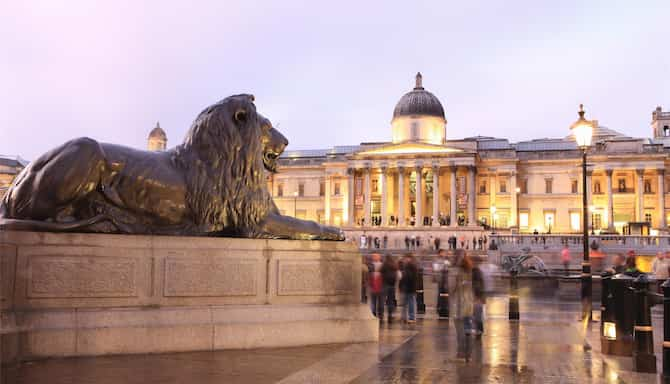
The National Gallery, Tate Modern, the Victoria and Albert Museum, and the Science Museum fill out the rest. Because entry costs nothing, there is no need to attempt a whole collection in one go. Pick two or three rooms, spend real time in them, and come back another day for what you missed.
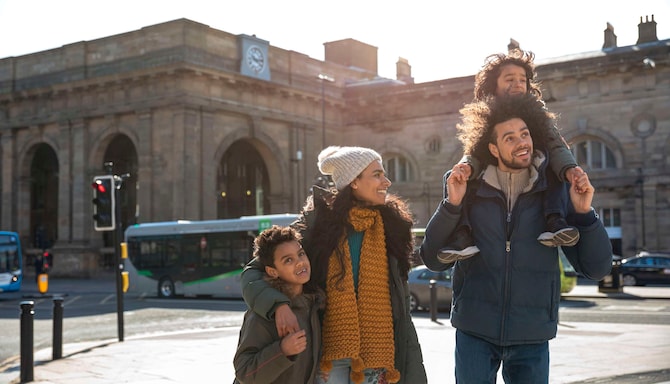
London works well for families because so much of what children enjoy costs nothing to enter. The Natural History Museum has the blue whale skeleton and the Dinosaur Gallery, and the Science Museum and the Victoria and Albert Museum sit a few minutes away in the same South Kensington cluster.
London Zoo, the London Eye, and Madame Tussauds cover the ticketed end of a day out. Break up museum time with the royal parks, and use the Tube for longer hops rather than walking between districts. One main stop each morning and something lighter after lunch keeps the pace comfortable for younger travelers.
Evenings in London can be as formal or as loose as you want them. West End shows fill the theater district, and Soho, Covent Garden, and Piccadilly Circus keep going long after the curtain comes down.
The Night Tube runs a 24-hour service on Fridays and Saturdays, which makes a late finish far easier to plan. On other nights, check the last departure before you settle in, or budget for a black taxi. Off-peak travel is cheaper and less crowded, so an early dinner before a show often costs less to reach than a late one.
The Royal Botanic Gardens, Kew, anchors this side of London, about 30 minutes from the center and worth half a day on its own. The Palm House, the Princess of Wales Conservatory, and the Waterlily House cover the glasshouses, while the Treetop Walkway lifts you 18 meters into the canopy and the Arboretum holds 14,000 trees.
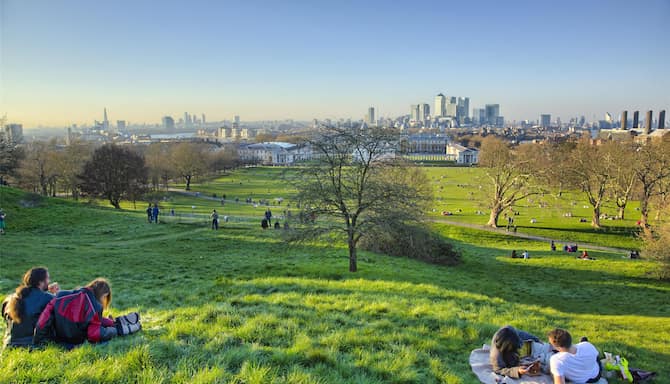
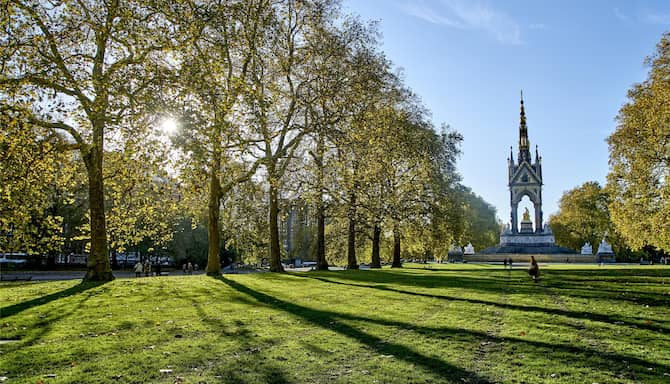
Closer in, the royal parks break up a day of sightseeing, and Hampstead Heath and Richmond give more room to walk. Little Venice adds canal-side paths for a quieter hour. These are the parts of the city that reward an unhurried pace rather than a tight schedule.
Entry rules depend on your nationality and your passport. Many visitors now need a UK Electronic Travel Authorisation before travel, so check official guidance before booking if you are unsure.
Entry to the permanent collections at the British Museum and the Natural History Museum is free. Special exhibitions are ticketed separately, so check before you plan around one.
English is the everyday language of London, so no phrasebook or translation app is needed for a visit.
The Elizabeth line and the Heathrow Express both run into central London. The Piccadilly line is the slower Tube option, and all three take contactless or Oyster.
Walk within the central districts, then use the Tube for longer hops. Buses, the Elizabeth line, and Thames riverboats fill in the rest, and a car is not needed.
Tipping is optional and rests on the service you received. Many restaurants add a discretionary service charge, which you can ask to have removed, and no further tip is needed when it is included.
Yes. London tap water is safe to drink, and every licensed premises must provide it free by law. Refill fountains marked with a blue water droplet are dotted across the city.
Costs add up quickly for central hotels and ticketed attractions. Free national museums, daily fare caps on transport, and market food all help balance a trip.
Start with fish and chips, a Sunday roast, and afternoon tea. Borough Market, Camden Market, and Brick Lane are good places to graze between sights.