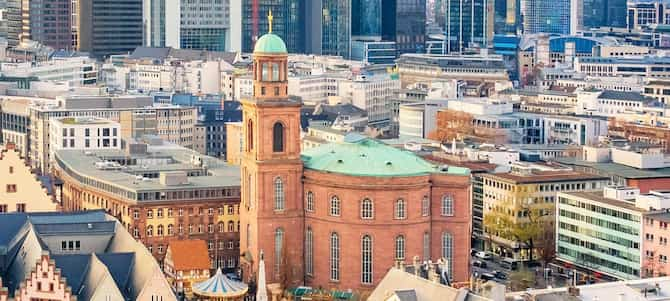
Move from Römerberg to the New Old Town, St. Bartholomew's Cathedral, and St. Paul's Church.
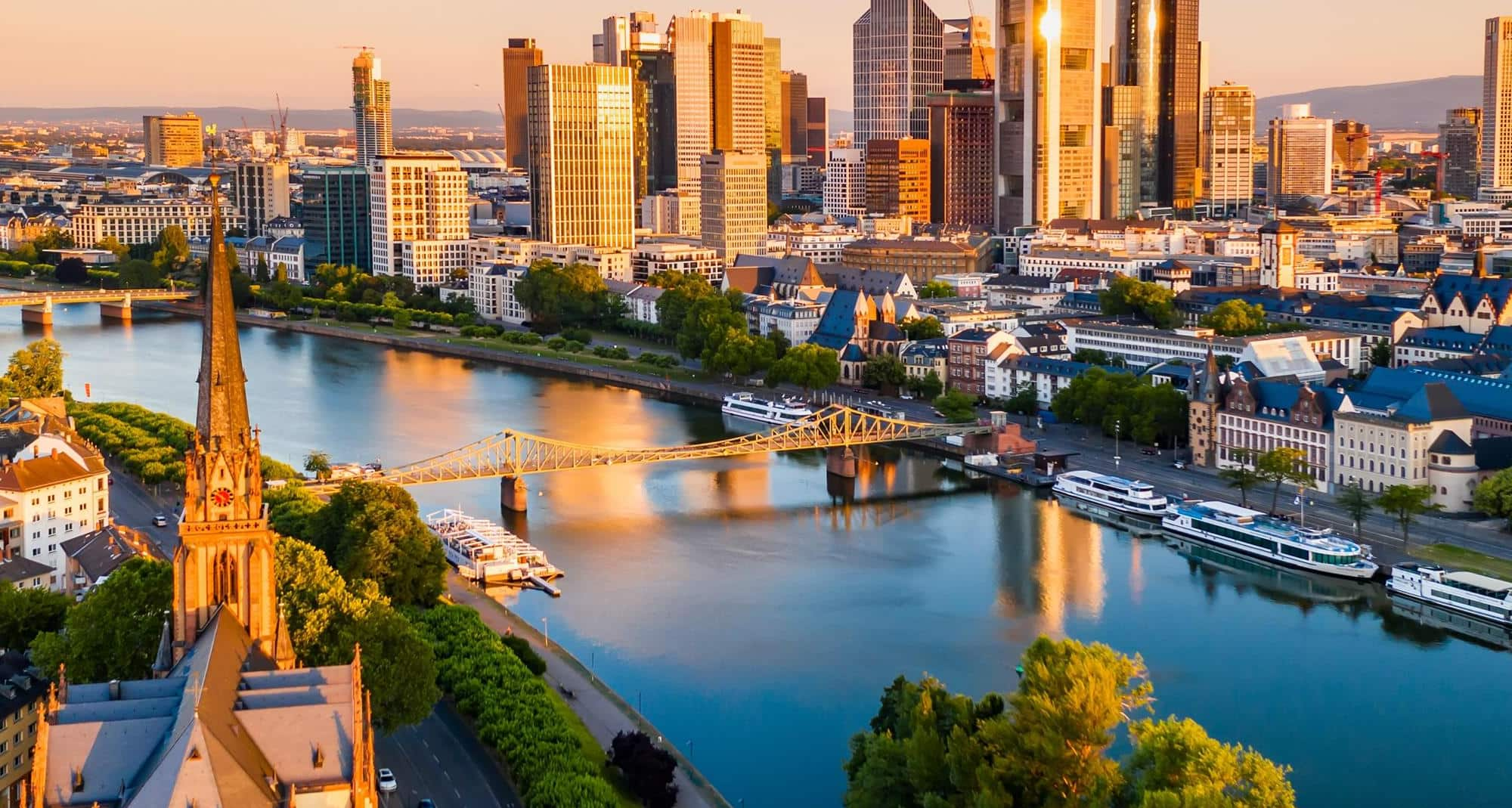
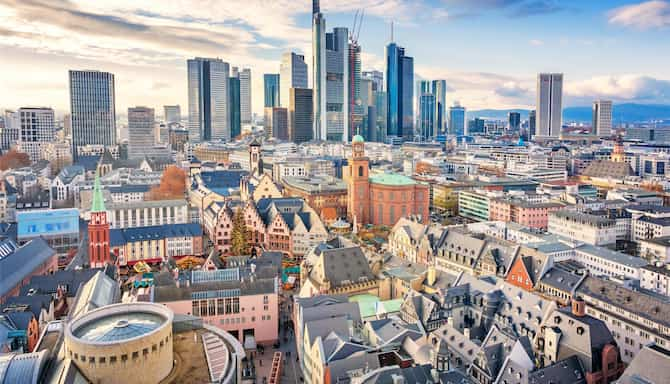
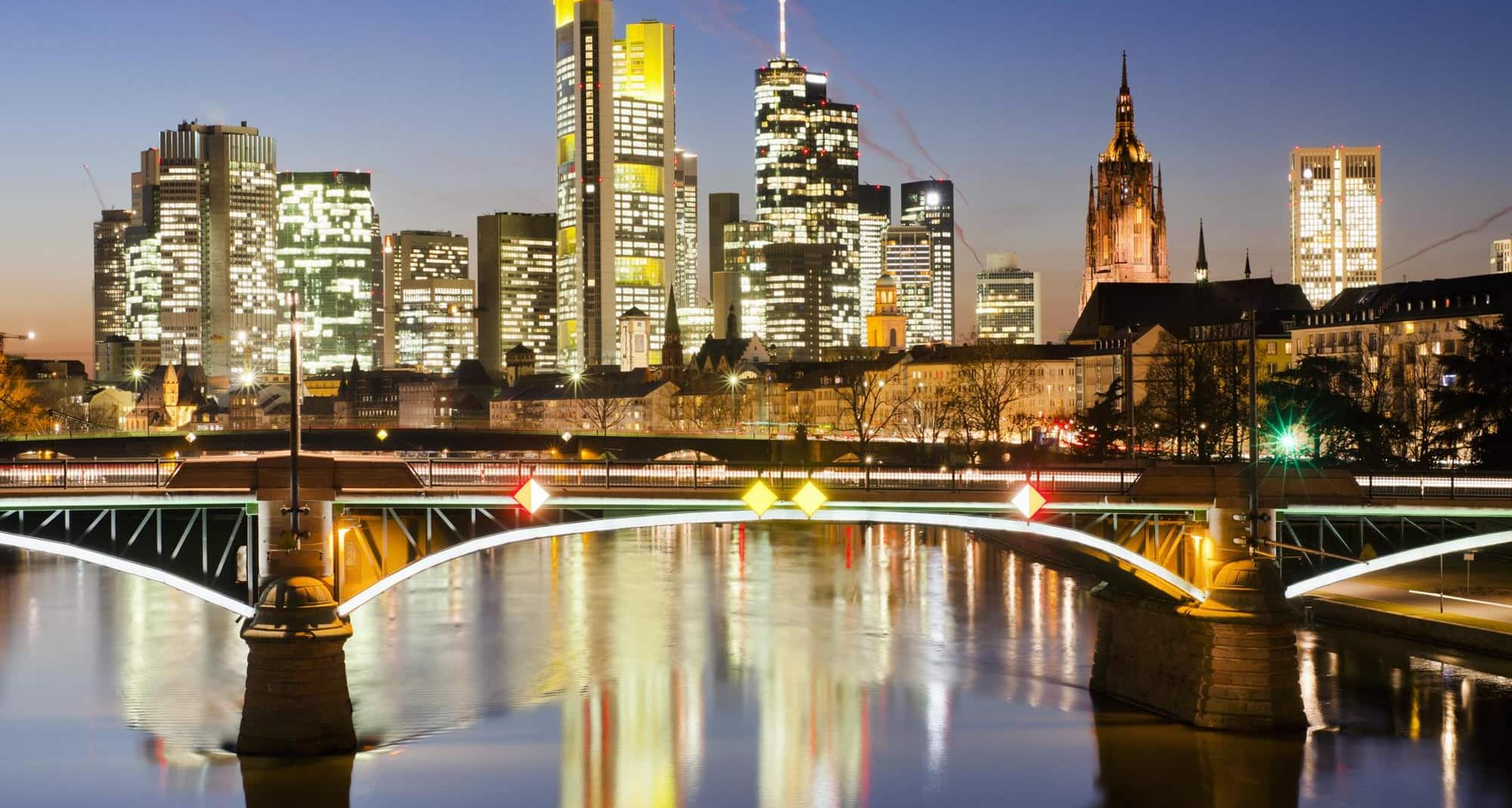
Frankfurt rewards travelers who like contrasts. A modern skyline rises a few streets from a rebuilt medieval core, with the River Main running between them and 39 museums gathered on and beyond its banks.
From planning your stay with Radisson Hotels to exploring Römerberg, the New Old Town, St. Bartholomew's Cathedral, the Main Tower, the Museum Embankment, the Goethe House, and Sachsenhausen, this guide gathers useful ideas.
Ride up the city's highest public viewing platform, cross the Eiserne Steg footbridge, sit down to apple wine poured from a Bembel, and leave time for the Palmengarten. It suits first-time visitors, couples, families, art lovers, food lovers, and anyone with a layover long enough to leave the airport.
Frankfurt combines imperial history, a modern skyline, and easy public transport.
Season | Best for | Travel tip |
|---|---|---|
Spring (March–May) | Riverbank walks, blossom, gardens, Dippemess | Pack layers for changing weather, and look for the cherry blossom beside the Alte Oper. |
Summer (June–August) | Open-air festivals, river evenings, gardens | Plan riverside evenings, and book early around the Museum Embankment Festival. |
Autumn (September–November) | Seasonal color, old town strolls, Book Fair | Book hotels early around the Frankfurt Book Fair, and bring a rain layer for walks. |
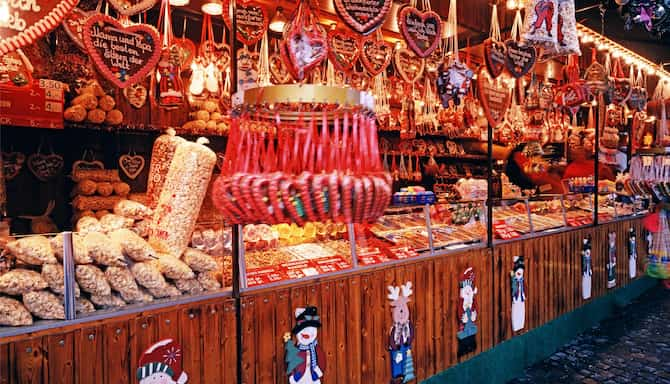
Winter (December–February) | Christmas markets, museums, concerts, taverns | Wear warm shoes for market evenings, and check attraction hours before a full day. |
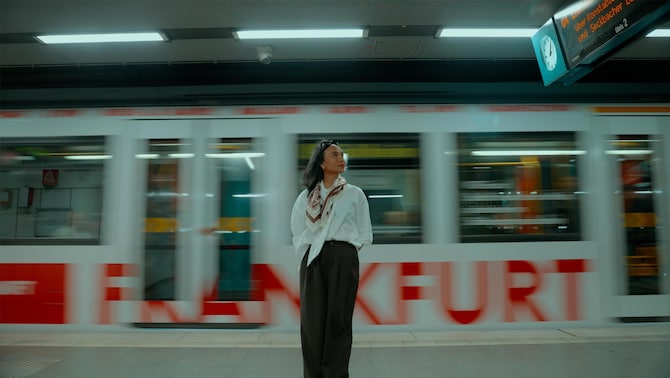
Frankfurt is compact, and the center is comfortable on foot. Public transport is run by VGF within the Rhine-Main Transport Association (RMV), covering nine U-Bahn lines and ten tram lines alongside S-Bahn, regional rail, and buses on one shared fare system.
Frankfurt Airport is Germany's largest passenger airport. Its regional station sits under Terminal 1, with S-Bahn lines S8 and S9 and regional trains RB58, RE59, RE2, and RE3, reaching the center in a few minutes. Frankfurt Hauptbahnhof handles around 460,000 travelers a day, with connections to Paris, Vienna, Brussels, and Amsterdam. Bike rental includes Call a Bike and nextbike by TIER.
Choose from history-led, food-focused, art-rich, family-friendly, evening, or local exploration for a Frankfurt day that suits you. These ideas help you shape a trip with enough direction to use your time well, while leaving room for river walks, squares, museums, cafés, gardens, taverns, and unexpected discoveries.
Use these day plans to explore Frankfurt without turning the city into a checklist. Each route groups nearby places so you spend less time crossing town and more time enjoying the old town, the river, museums, cafés, gardens, and skyline views.
Add extra time for a river walk, a gallery stop, a market browse, or a slow hour in an apple wine tavern whenever something catches your attention. Frankfurt is compact and practical, but its best moments often happen between the major sights, so keep the structure flexible and book timed attractions ahead where needed.
Day 1
Day 2
For days one and two, follow the 2-day itinerary at a relaxed pace.
Day 3
| Idea | Why go? | Time needed | Best for |
|---|---|---|---|
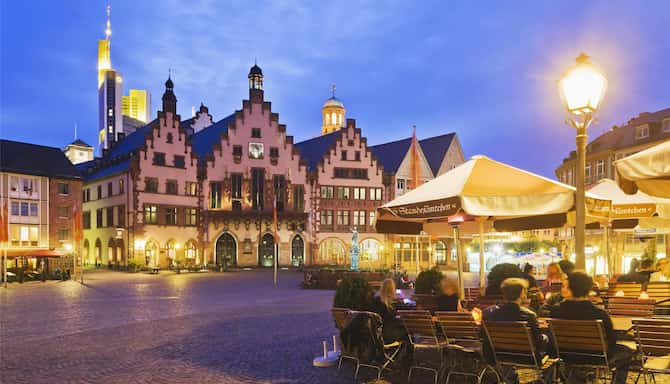
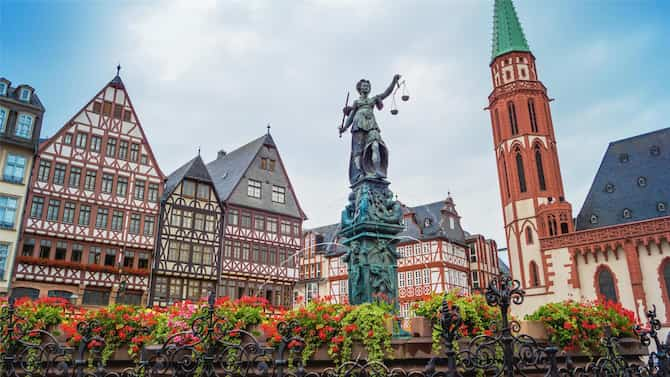
| Römer and Römerberg | See the town hall, half-timbered houses, and old town life. | 1–2 hours | First-timers, photo fans |
| New Old Town | Walk rebuilt lanes, Hühnermarkt, and the Coronation Route. | 1–2 hours | History fans, walkers |
| St. Bartholomew's Cathedral | Climb the tower and see where 10 emperors were crowned. | 1–2 hours | History and view seekers |
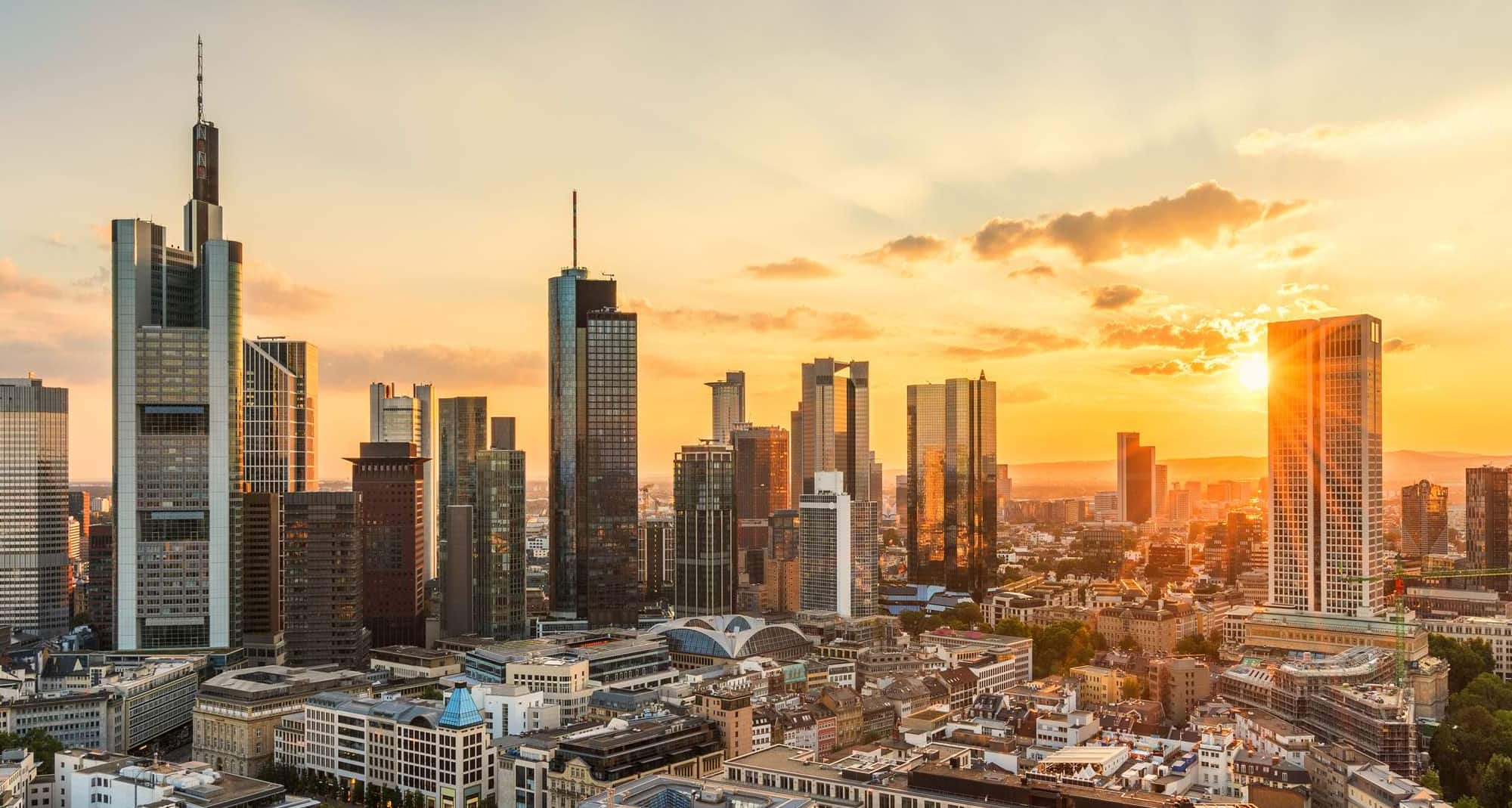
| Main Tower | Ride to the city's highest public platform for skyline views. | 1 hour | View seekers, photographers |
| Goethe House | See where Goethe was born and wrote his first famous works. | 1–2 hours | Literature and history fans |
| Museum Embankment | Browse 39 museums across the city, led by the Städel Museum. | Half a day | Art lovers, rainy days |
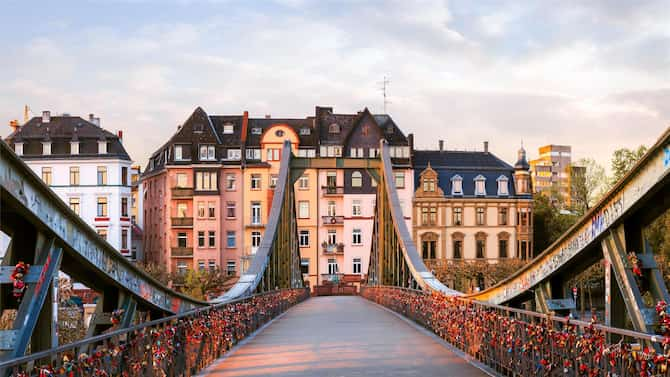
| Eiserne Steg footbridge | Cross for love locks, river views, and the skyline shot. | 30 minutes | Photo fans, easy walkers |
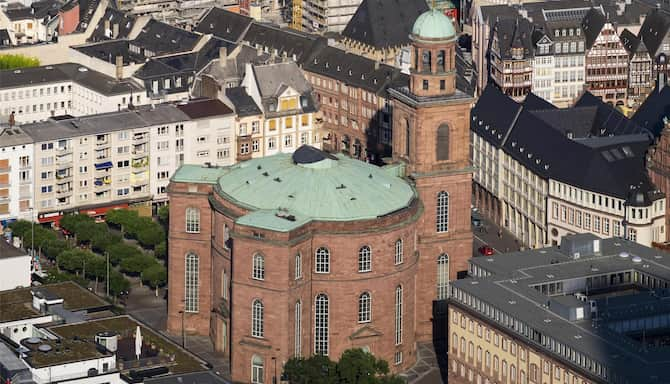
| St. Paul's Church | Stand where the first all-German parliament met in 1848. | 30–60 mins | History and politics fans |
| Frankfurt Zoo | Meet 500 species, including Europe's largest nocturnal house. | 2–4 hours | Families, children |
| Alte Oper | See restored reliefs, frescoes, and mosaics in a rebuilt hall. | 2–3 hours | Music and architecture fans |
Frankfurt is direct, international, and proud of its Hessian roots. A simple "Gude" is the local greeting you may hear alongside standard German, and a hello to staff in shops and cafés is always welcome.
Apple wine sits at the center of local life, poured from a Bembel, a blue-gray stoneware jug, into a Gerippte, a glass cut with a diamond pattern. Take it pure, with mineral water, or with lemonade. Sachsenhausen taverns use long shared tables, so sitting beside strangers is normal.
Tipping is appreciated rather than required, and rounding up or about 5–10% is common. Cards are widely accepted, though smaller places may still expect cash.
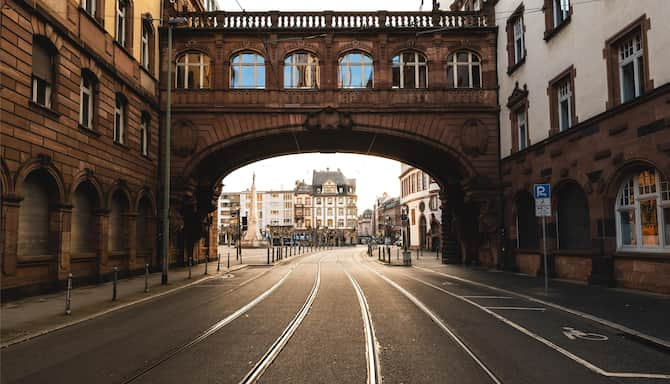
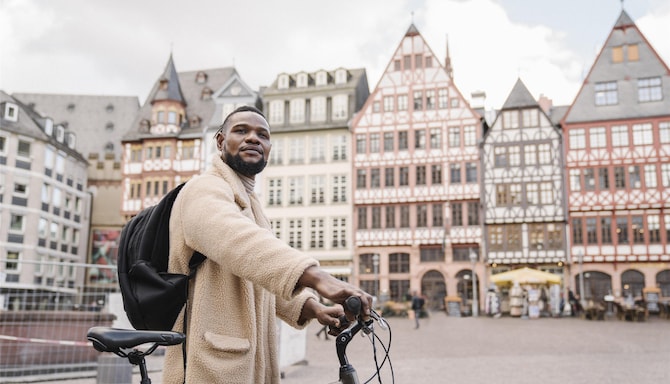
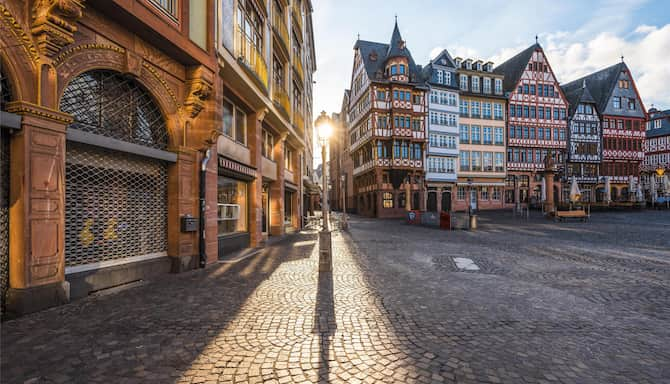
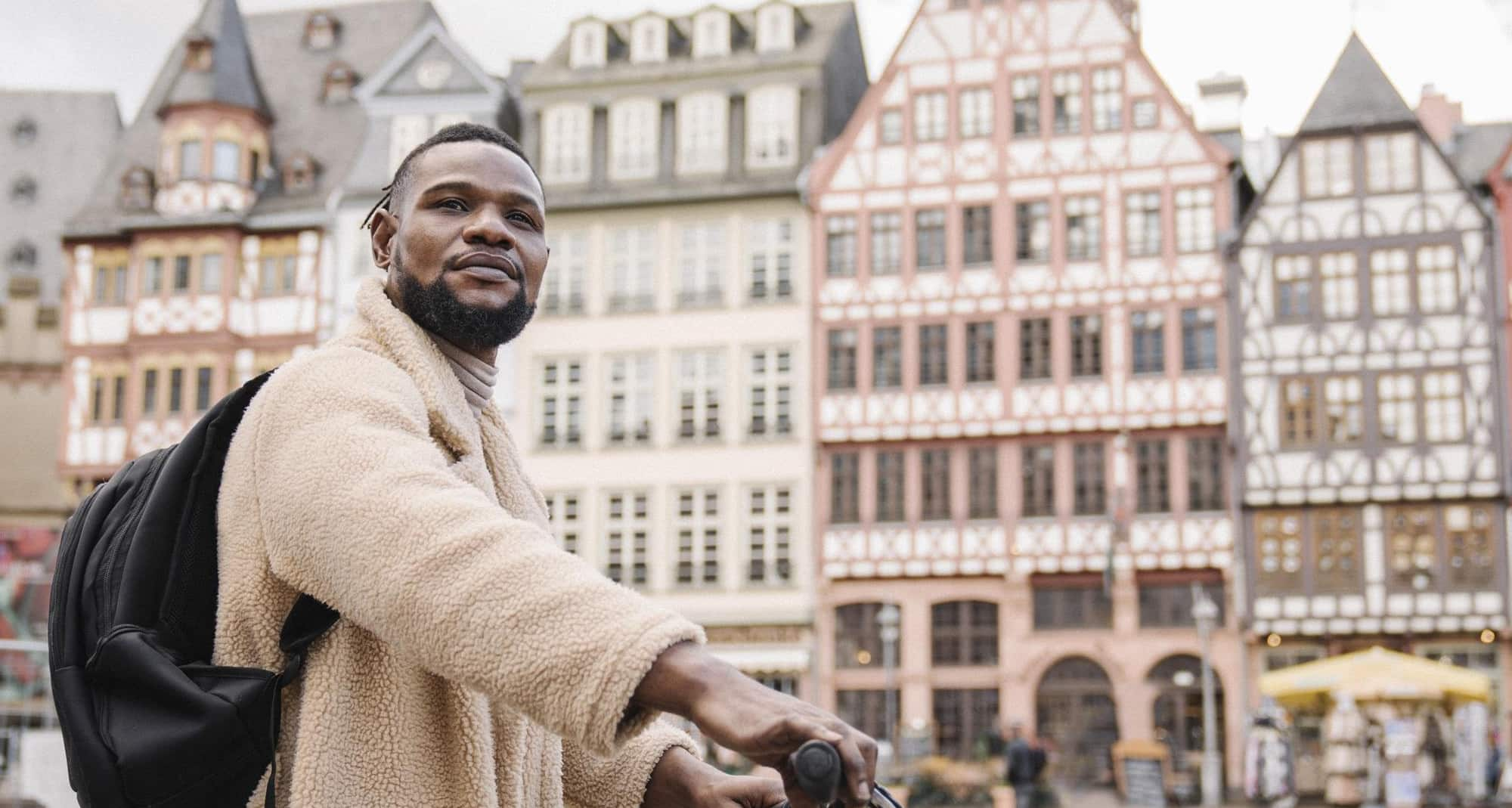
Frankfurt packs a lot of history into a small, walkable center. Start at Römerberg, where half-timbered houses face the Römer, the town hall of roughly 600 years standing, still the seat of the mayor.
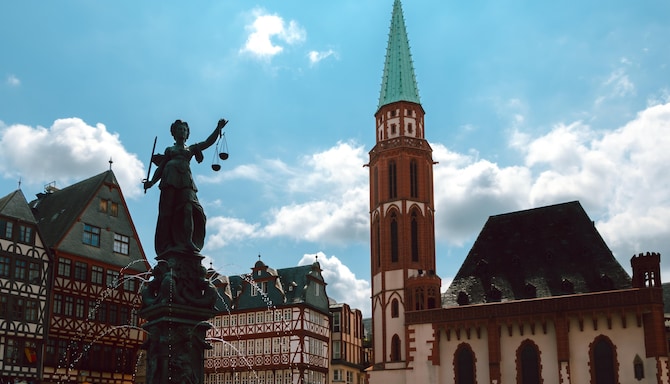
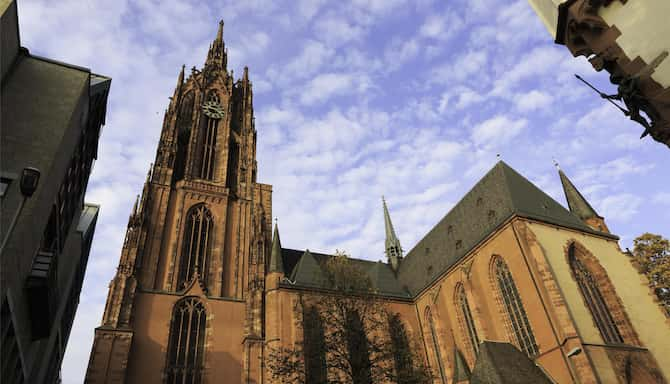
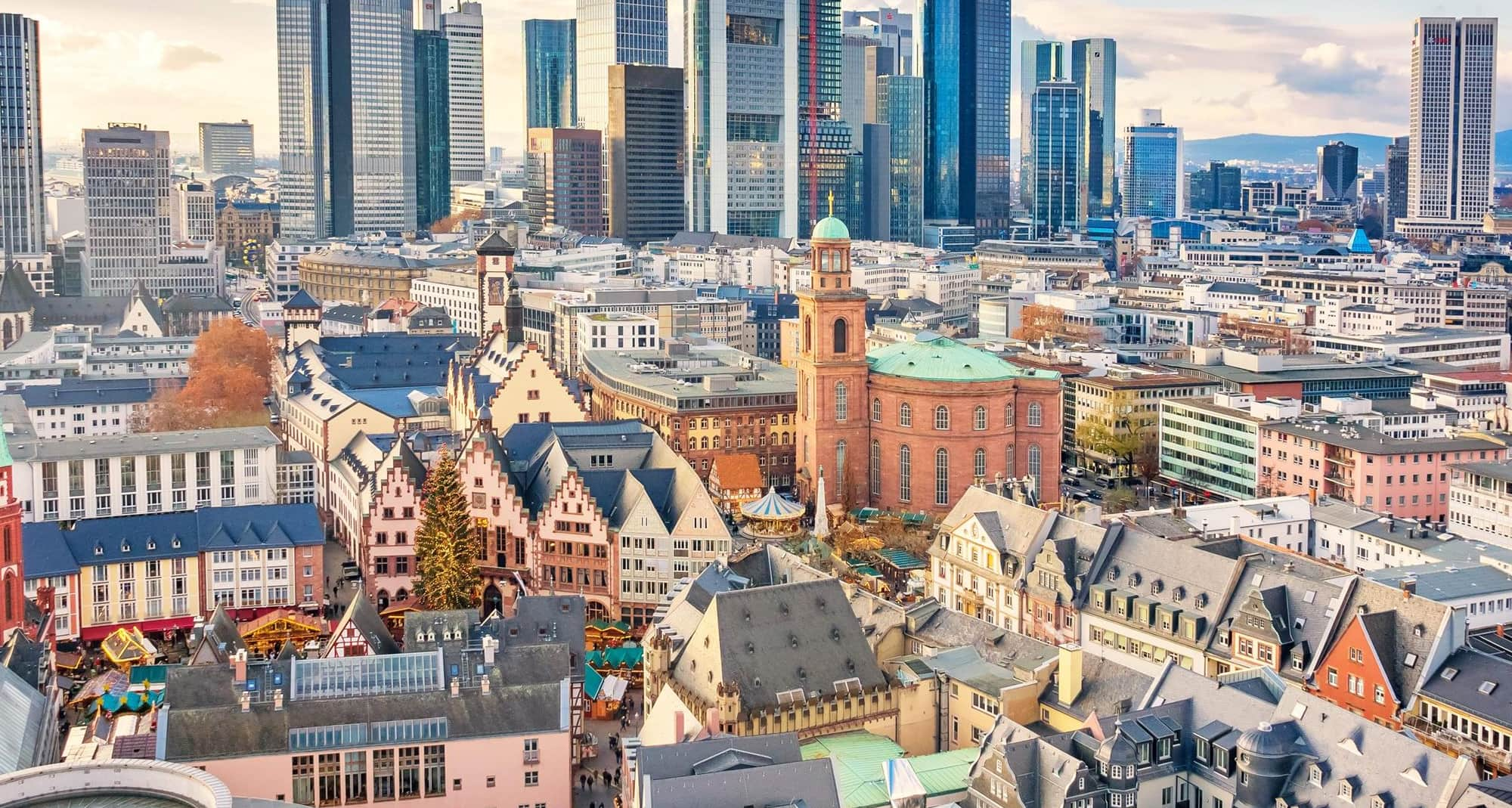
Continue into the New Old Town, a reconstruction completed in 2018 with 15 rebuilds and 20 new buildings, taking in the Hühnermarkt, the Goldene Waage, the Archaeological Gardens, and the Coronation Route. St. Bartholomew's Cathedral crowned ten emperors between 1562 and 1792, and St. Paul's Church hosted the first all-German parliament in 1848.
Rather than rushing between landmarks, pause for lanes, courtyards, and the cathedral tower.
Come ready for hearty Hessian food and a drinking culture all its own. Apple wine is pressed from orchards on the city's outskirts and poured from a Bembel into a ribbed Gerippte glass, taken pure, with mineral water, or with lemonade.
Try Handkäs' with music, Green Sauce, Frankfurter sausages, Frankfurt Loin Ribs, Bethmännchen, and Frankfurt Crown Cake. Sachsenhausen is the traditional tavern district, where long shared tables make conversation easy, while the Kleinmarkthalle is a favorite local stop for produce, snacks, and a glass of wine.
Mix simple counters, bakeries, taverns, and international kitchens across the Bahnhofsviertel.
Frankfurt suits families because distances are short and transport is simple. Frankfurt Zoo, established in 1858, keeps 500 species and more than 4,500 animals, with the Grzimek House holding Europe's largest home for nocturnal animals, plus the Cat Jungle and the Exotarium.
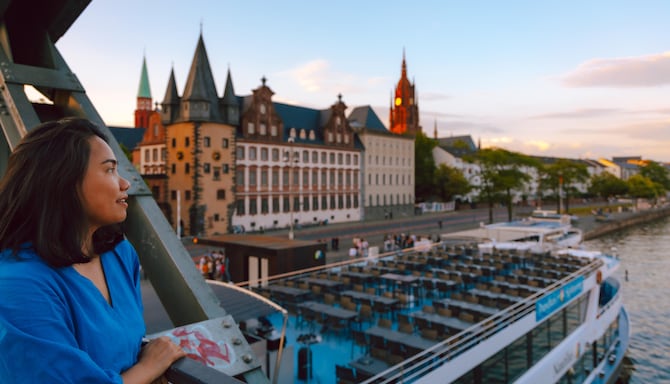
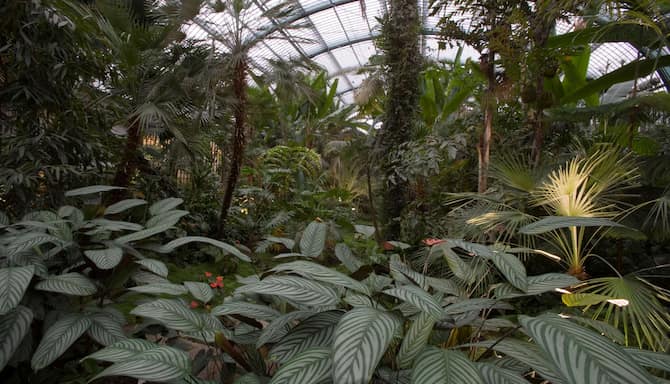
The Palmengarten spreads across 22 hectares of botanical garden, one of the largest in Germany. Break up sightseeing with the riverbanks, a walk across the Eiserne Steg footbridge, or a short cruise on the River Main.
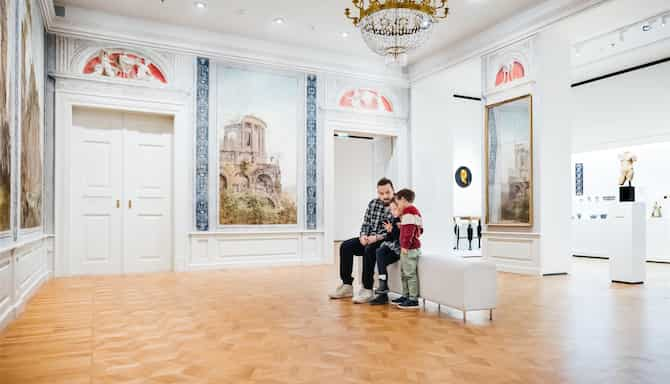
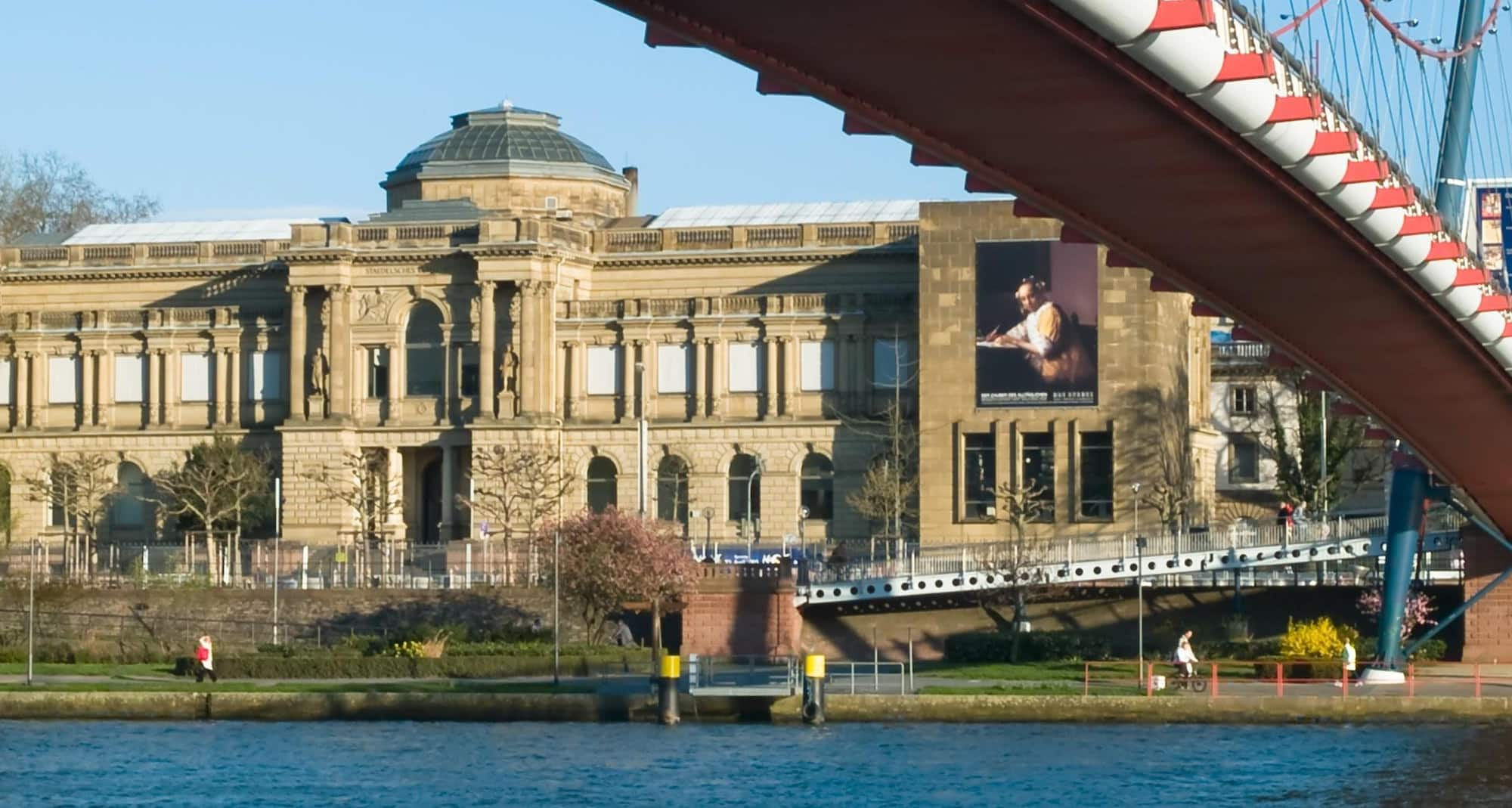
Frankfurt's museum scene is a cluster that is unique in Europe. The Museum Embankment brings together 39 museums and exhibition venues on both banks of the River Main and beyond.
The Städel Museum sits at its center, with more than 100,000 works spanning seven centuries. Old Masters include Vermeer and Botticelli, moderns include Munch, Monet, and Lotte Laserstein, and the contemporary rooms hold Warhol and Richter, alongside a strong photography collection.
Choose one major museum at a time and use the riverbank between stops. The MuseumsuferCard covers the wider cluster if you plan several visits.
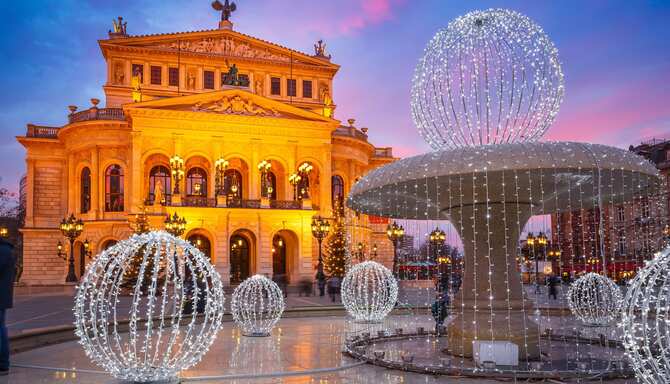
Evenings in Frankfurt move between the grand and the comfortably local. The Alte Oper was one of the world's best-known opera houses before the Second World War left it in ruins, and its reconstruction restored the original reliefs, medallions, frescoes, tiles, and mosaics.
For something more relaxed, cross into Sachsenhausen, where apple wine taverns fill with conversation, or eat your way through the Bahnhofsviertel, which the city itself points to for culinary and cultural range.
A cruise on the River Main shows the skyline from a different angle after dark, and the riverbanks stay pleasant for a walk on a warm evening.
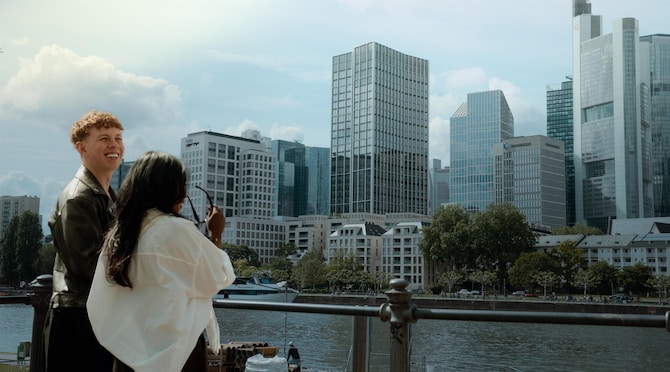
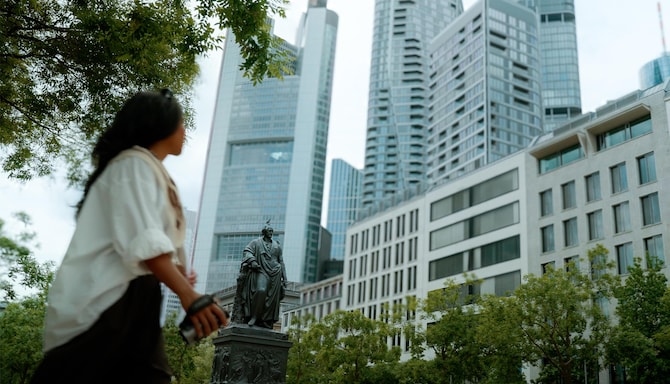
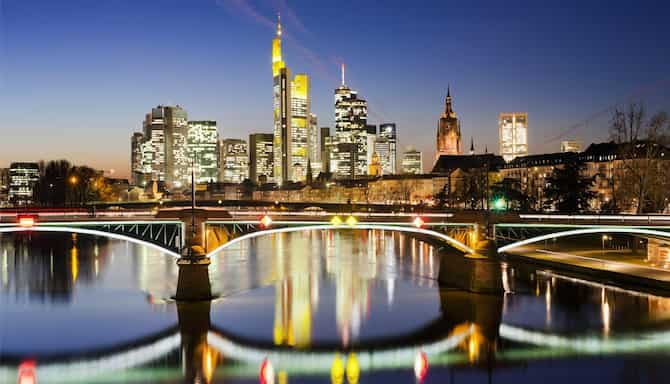
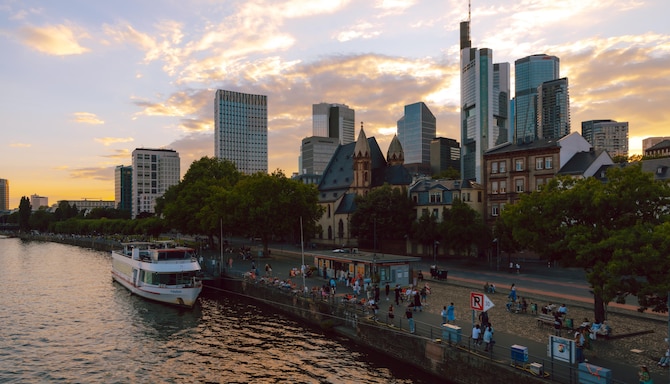
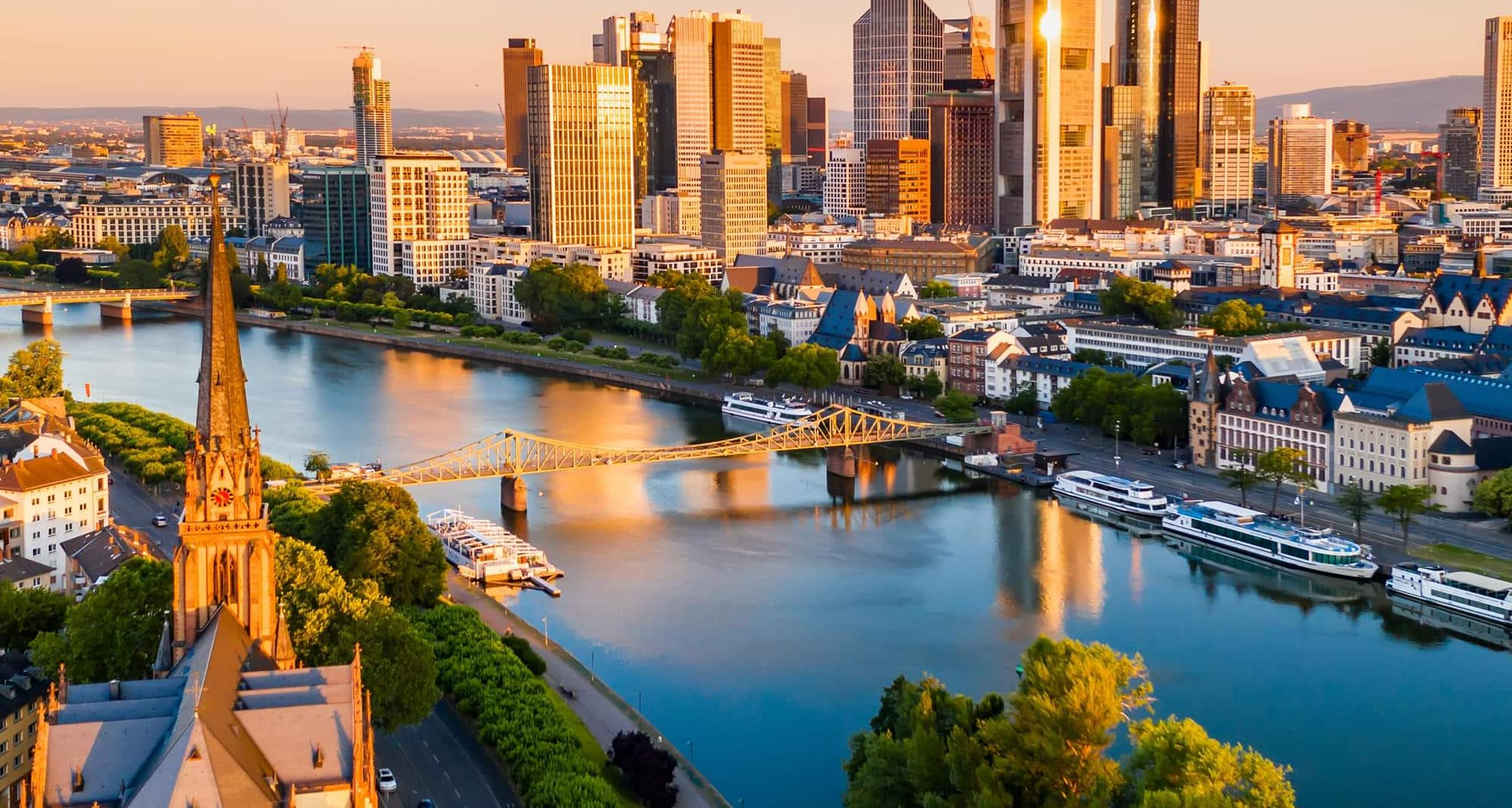
Frankfurt's skyline is a signature sight, and there are several ways to see it. The Main Tower opened in 1999, rises 200 meters, and carries the city's highest public viewing platform, with views reaching the Taunus hills on a clear day.
At ground level, the Eiserne Steg footbridge frames the towers across the water, and the southern riverbank offers a slower angle. Willy-Brandt-Platz adds the oversized blue euro sculpture, while Lohrberg looks back at the city from its vineyard slope.
Entry rules depend on your nationality, passport, and length of stay, so check official guidance before booking if you are unsure.
Wear comfortable walking shoes for old town lanes and riverside paths. Bring layers in spring and fall, lighter clothing in summer, and a warm coat in winter.
Frankfurt is an international city, and official city tours run in more than 20 languages. German is the local language, and a few words of greeting are always appreciated.
Two to three days covers Römerberg, the New Old Town, the Main Tower, the Museum Embankment, the Goethe House, and an evening in Sachsenhausen.
Walk in the center, then use U-Bahn, tram, S-Bahn, and buses for longer trips. S-Bahn lines S8 and S9 connect Frankfurt Airport to the city in a few minutes.
Tipping is appreciated rather than required. Rounding up the bill or leaving about 5–10% is common, and the tip is usually handed to the server.
Tap water in Germany is generally safe to drink and closely regulated. Many travelers carry a refillable bottle for museum days and long walks along the river.
Start with apple wine, Handkäs' with music, Green Sauce, Frankfurter sausages, Bethmännchen, and Frankfurt Crown Cake.
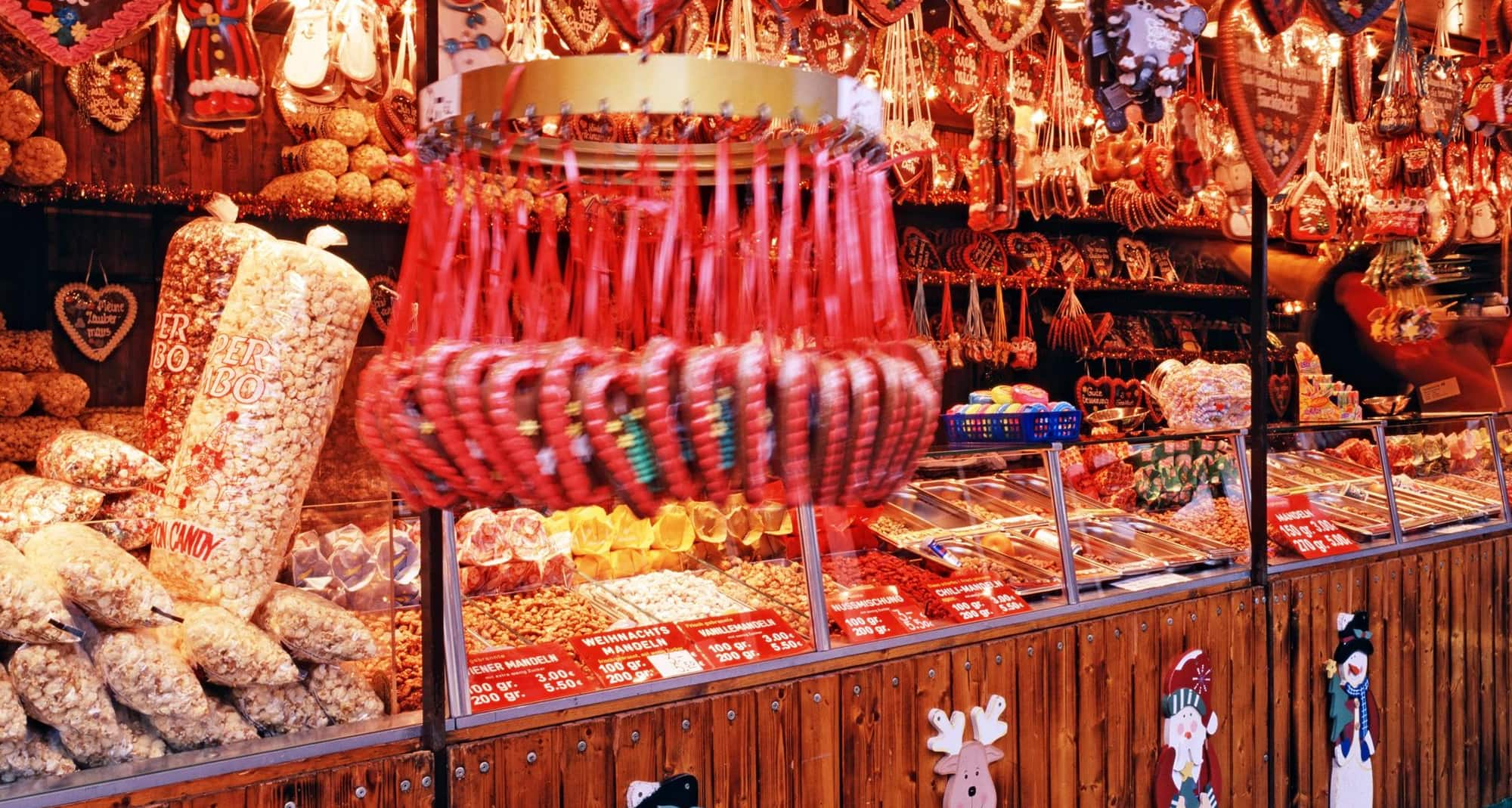
Spring and summer suit riverside walks and open-air festivals, autumn brings the Frankfurt Book Fair, and winter fills the city squares with Christmas markets.