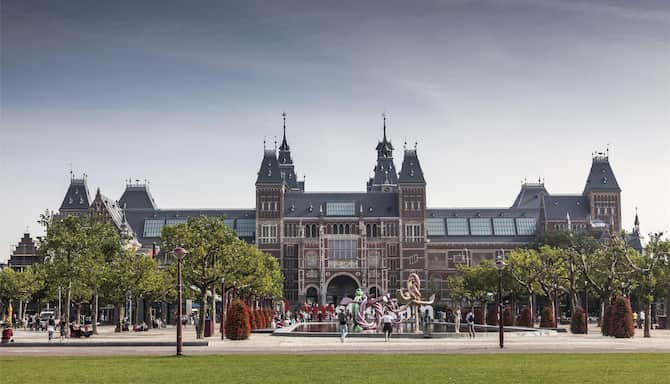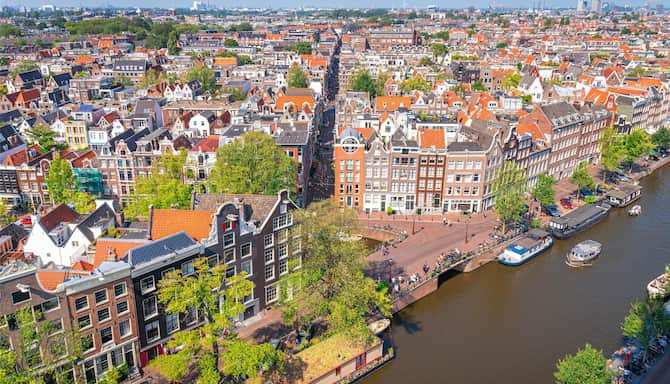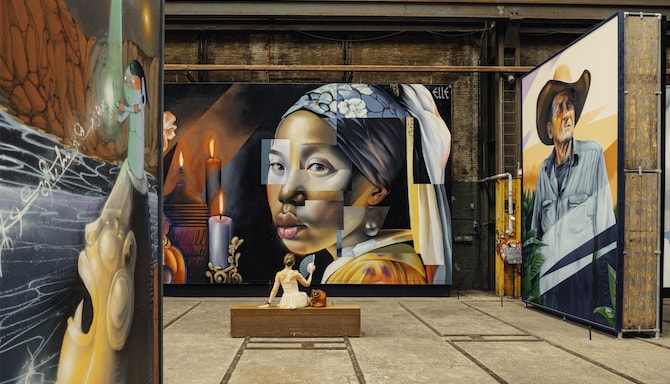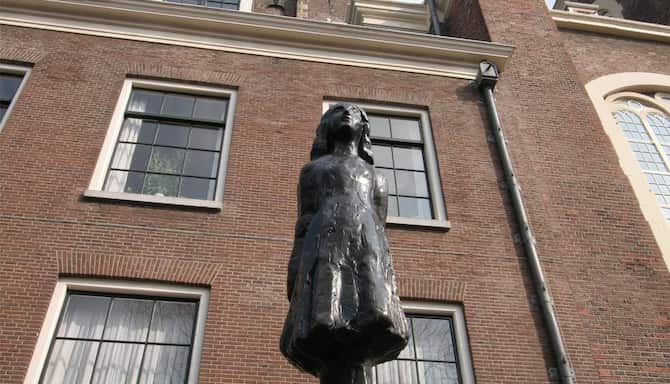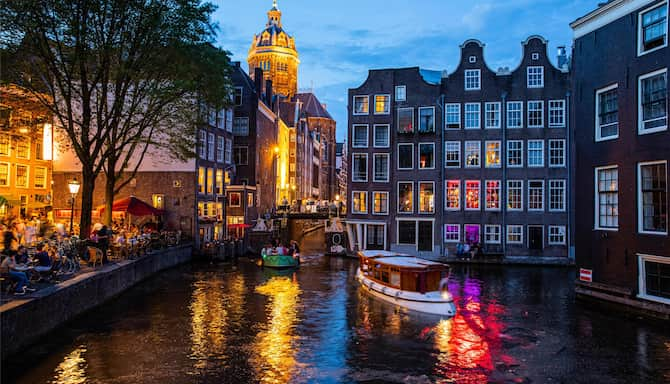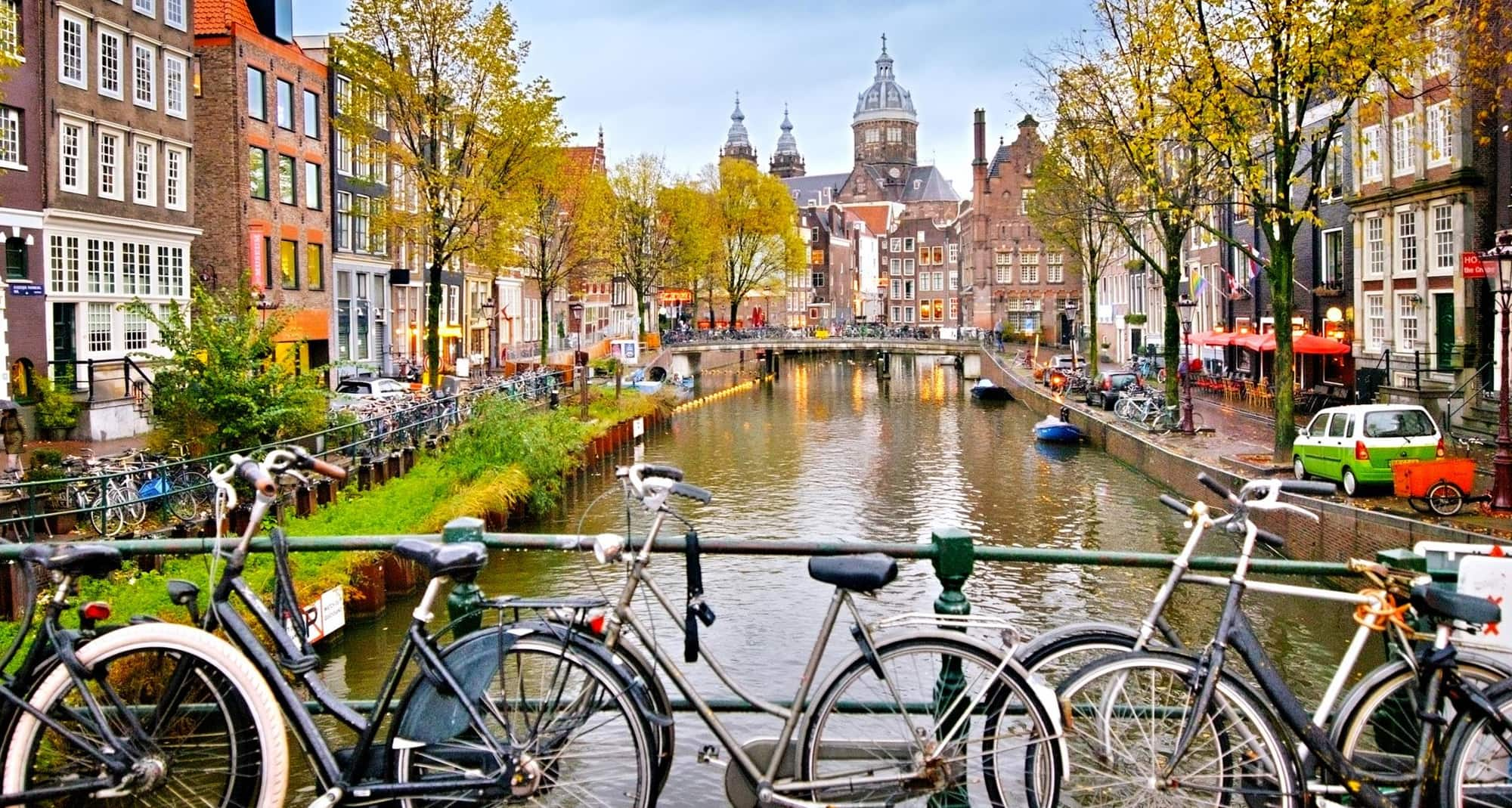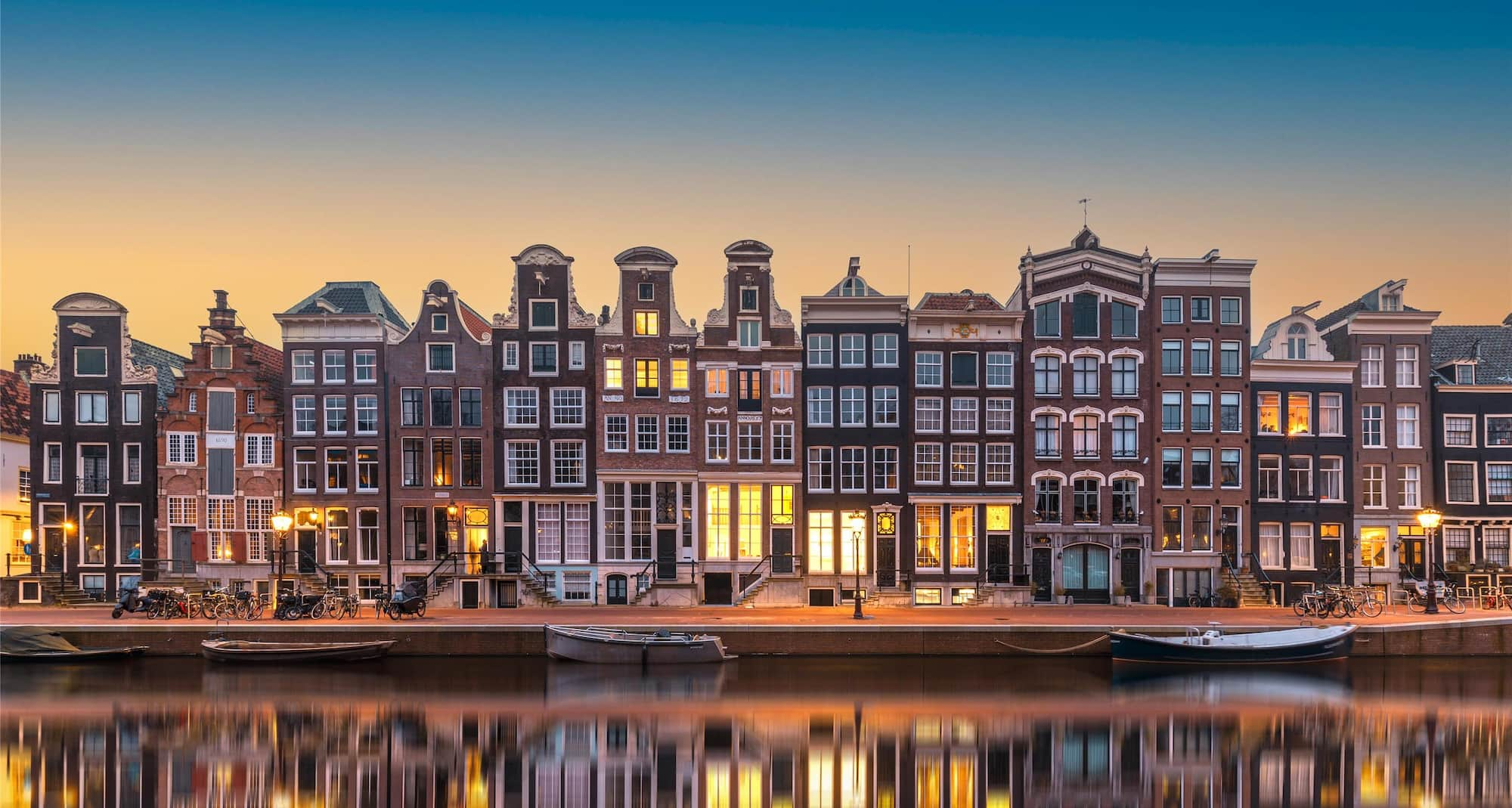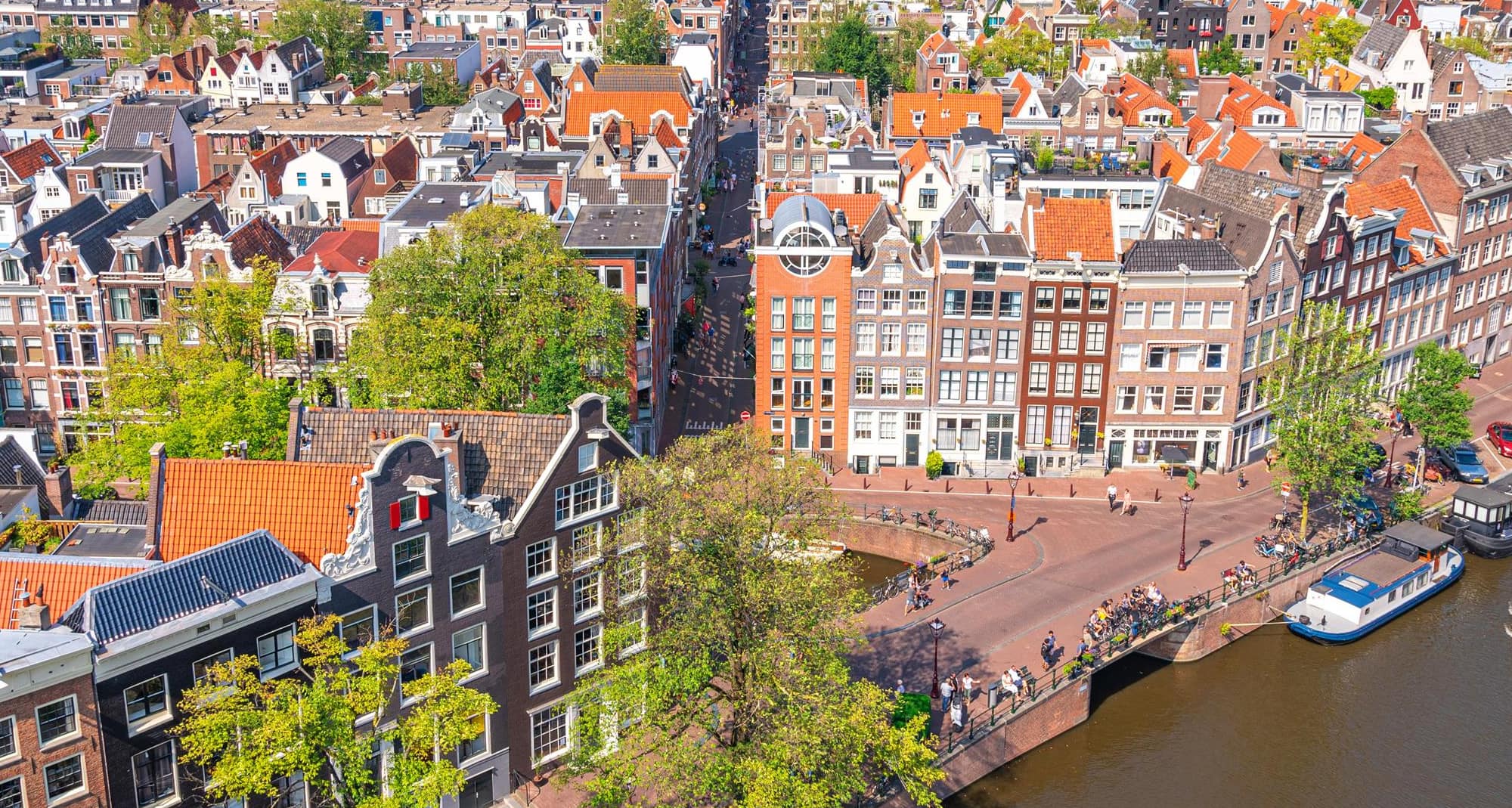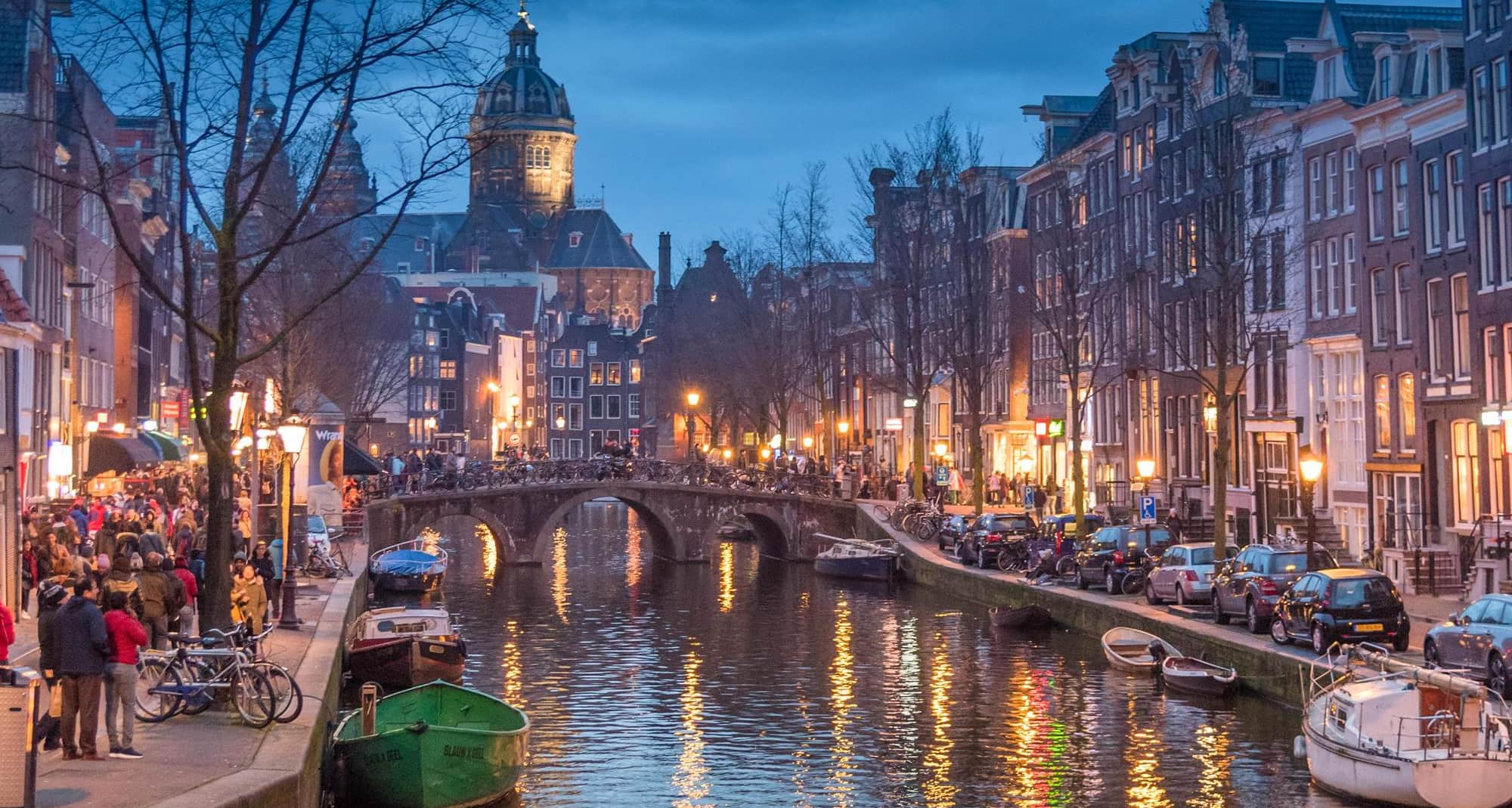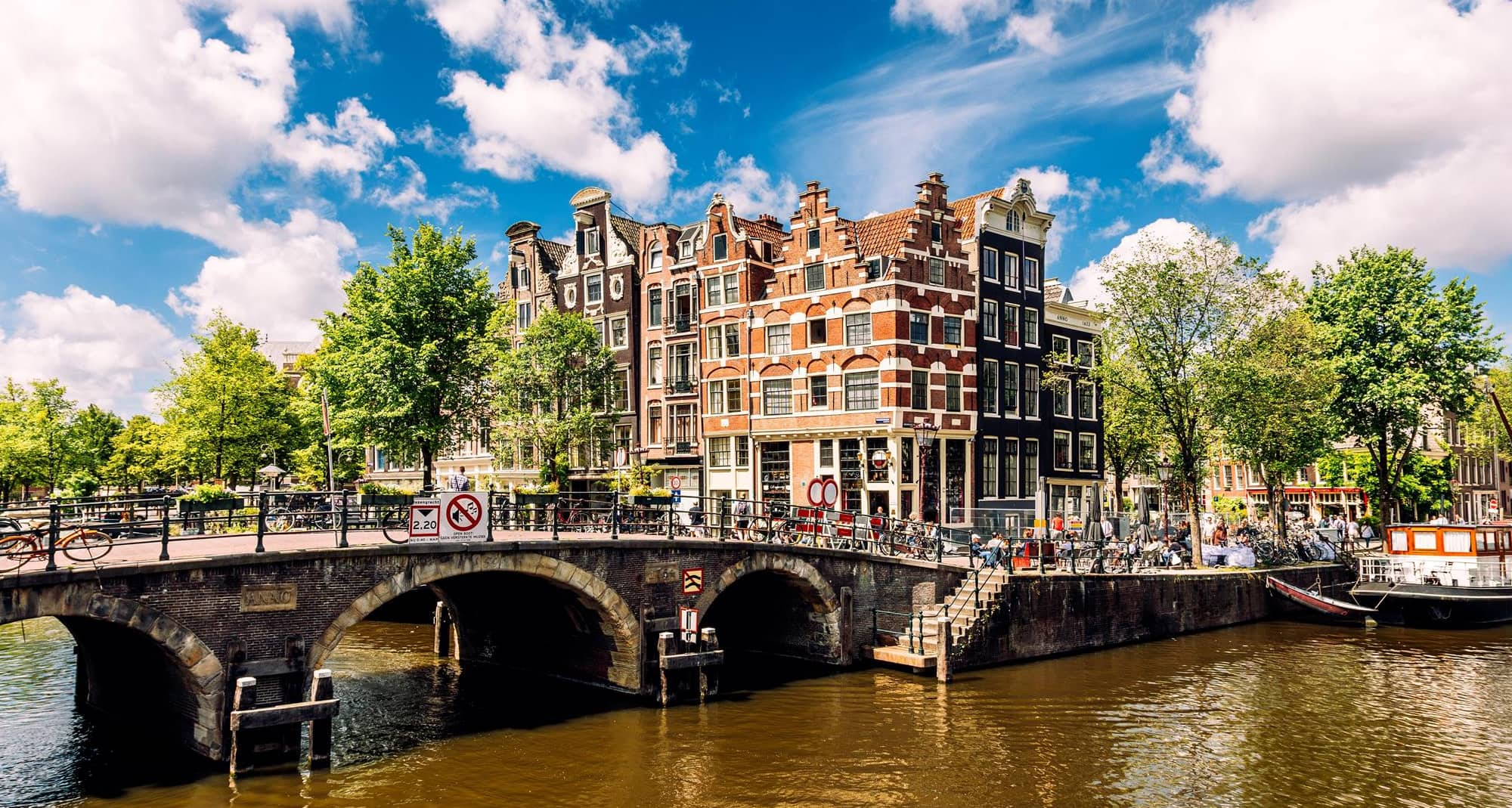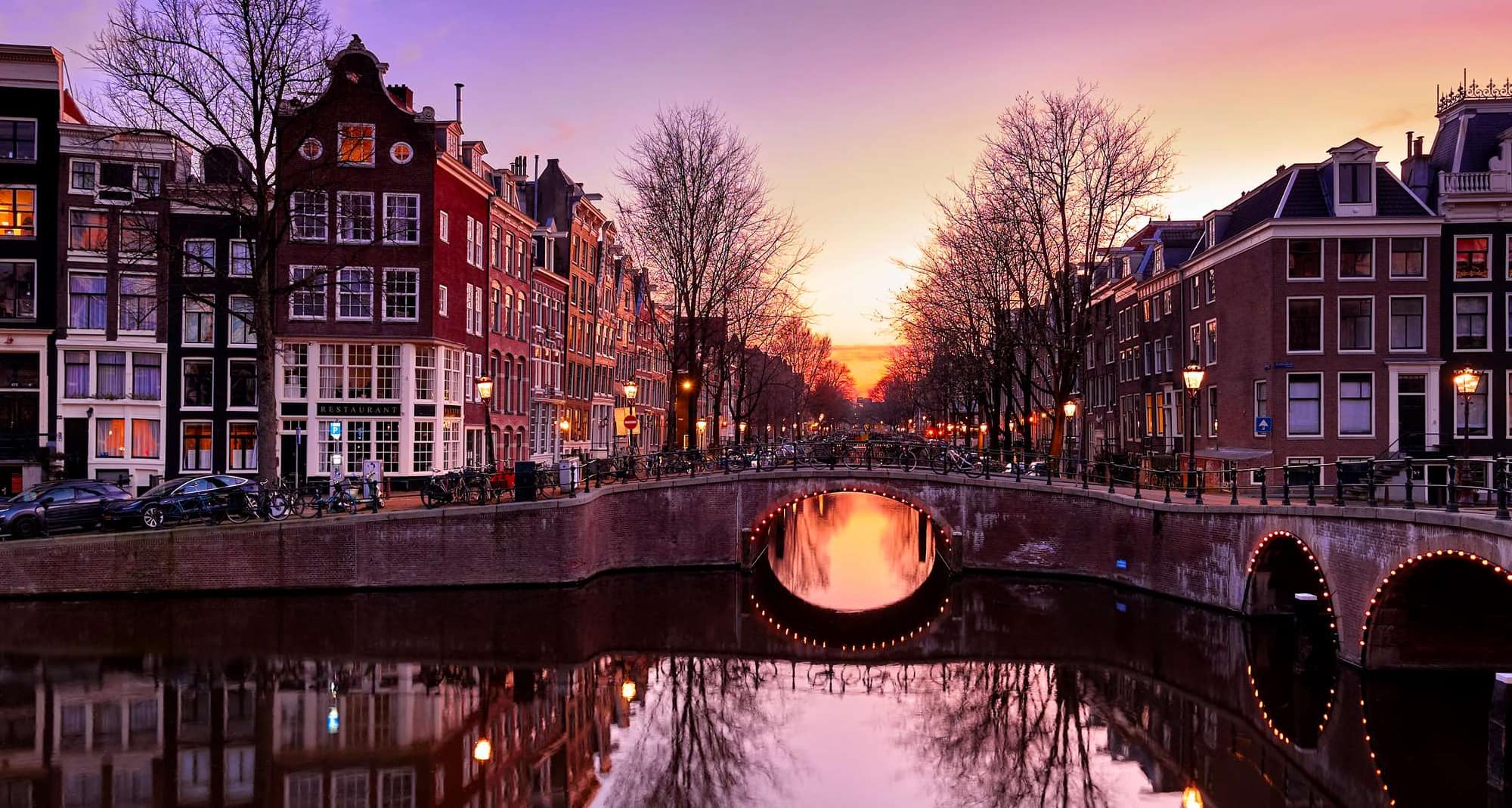
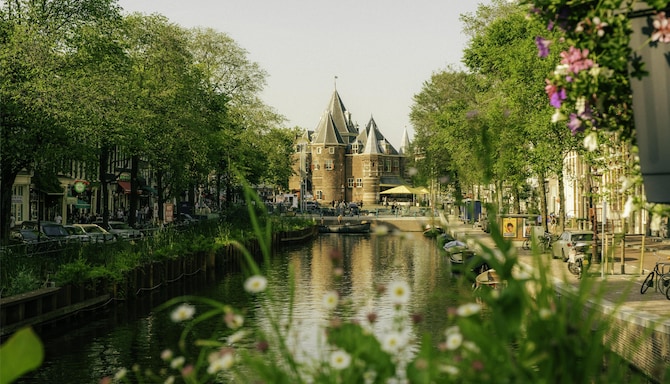
Move from the canal ring to the Anne Frank House, Royal Palace Amsterdam, Oude Kerk, and hofjes.
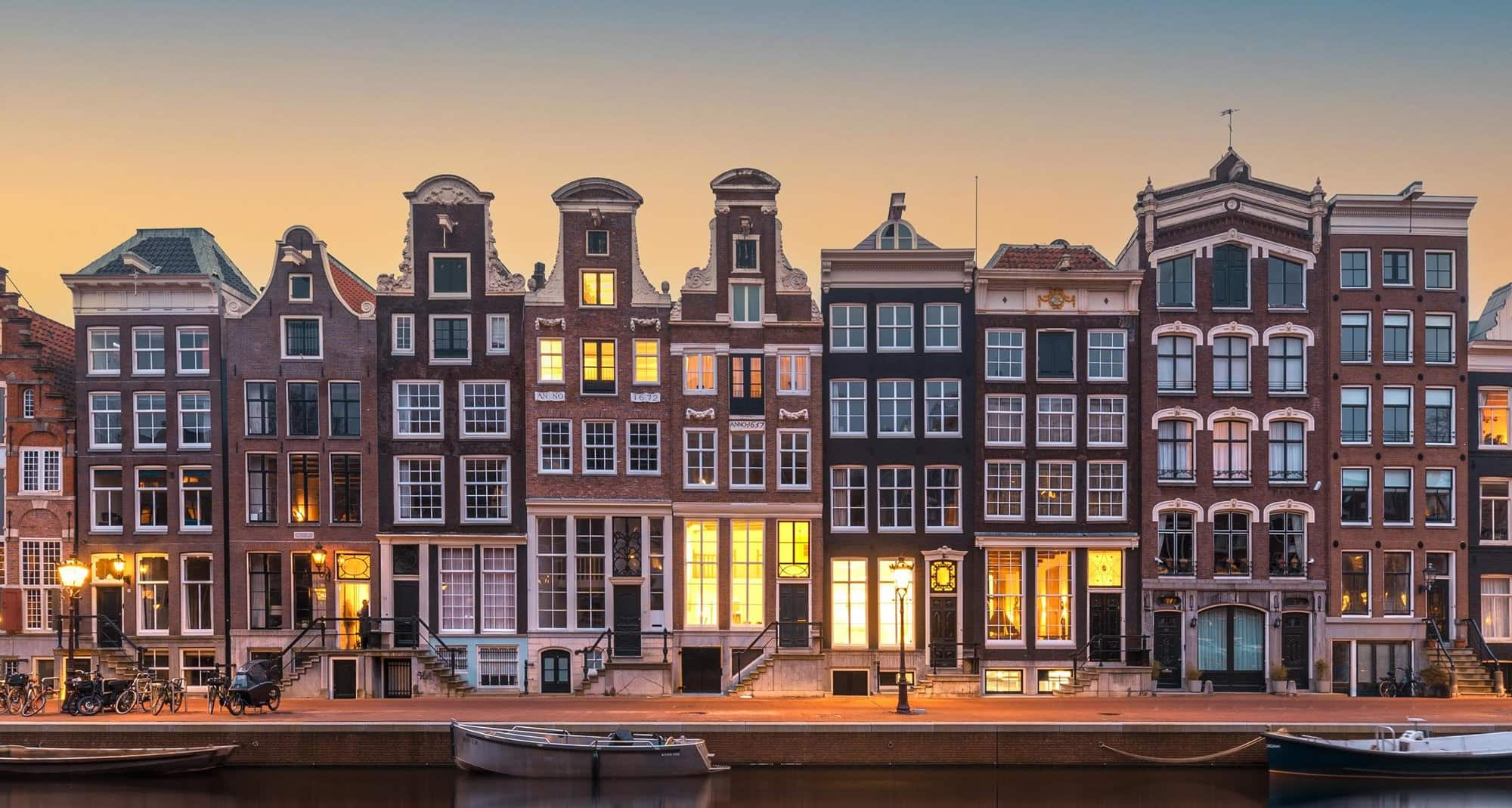
Amsterdam rewards travelers who like water, art, and walkable neighborhoods. The Dutch capital brings together a UNESCO-listed canal ring, major museums, street markets, free ferries across the IJ, and one of the world's most cycle-friendly street networks.
From planning your stay with Radisson Hotels to exploring Museumplein, the Rijksmuseum, the Van Gogh Museum, the Anne Frank House, the Jordaan, and the Nine Streets, this guide gathers the city's most useful ideas.
Cruise the Herengracht and Prinsengracht, ride a free ferry to Amsterdam Noord, browse the Albert Cuyp Market, try raw herring, and leave room for Zaanse Schans or a day in Haarlem. It suits first-time visitors, couples, families, art lovers, food lovers, and travelers who want a relaxed city break with water in view.
Amsterdam combines canal-side history, strong museums, and easy public transport.
Season | Best for | Travel tip |
|---|---|---|
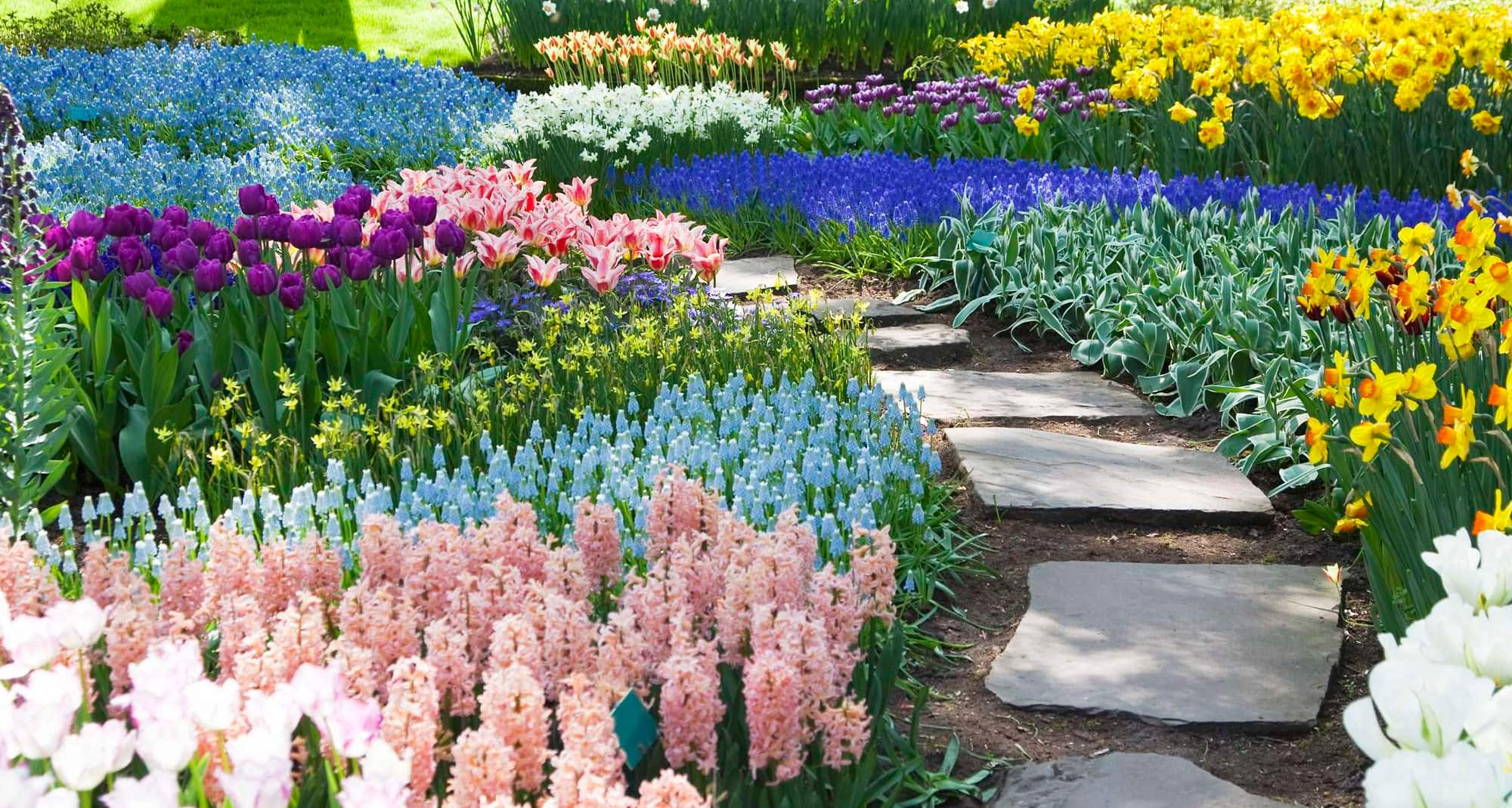
Spring (March–May) | Tulips, canal walks, gardens, bulb-field day trips | Tulips peak from late April to early May, so book museum tickets and rooms well ahead. |
Summer (June–August) | Canal cruises, ferry rides, markets, warm city days | July and August average around 22 degrees Celsius, so plan canal time and carry a light layer. |
Autumn (September–November) | Museums, markets, neighborhood walks, indoor culture | Pair canal walks with indoor museum stops, and book timed tickets ahead for the big museums. |
Winter (December–February) | Museums, cafes, markets, good-value city breaks | November to March is the most affordable stretch, so plan museum days and warm layers. |
Amsterdam is easiest to explore on foot and by bike, with trams, metro, buses, and IJ ferries. The canal ring, the Jordaan, the Nine Streets, and Museumplein are walkable. Public transport covers Noord, NDSM, and outer hotels.
GVB runs trams, buses, four metro routes, and ferries, though trams do not reach Noord or NDSM. Ferries to Buiksloterweg, NDSM Wharf, and IJplein are free for pedestrians and cyclists, and Buiksloterweg runs all night. Check in and out by tapping a contactless card or phone with OVpay.
Schiphol station is beneath the terminal, with trains to Amsterdam Central eight times an hour in 17 minutes. No rental car is needed.
Choose from canal-led, art-focused, family-friendly, food-driven, late-night, or day-trip exploration to create an Amsterdam day that suits you. These ideas help you shape a trip with enough direction to use your time well, while leaving room for markets, cafes, ferry rides, courtyards, and unexpected neighborhood discoveries.
Use these day plans to explore Amsterdam without turning the city into a checklist. Each route groups nearby places so you spend less time crossing town and more time enjoying canals, museums, markets, cafes, and local atmosphere.
Add extra time for a ferry ride, a gallery stop, market browsing, canal-side walks, or a quiet courtyard whenever something catches your attention. Amsterdam is compact and easy to cover on foot, but its best moments often happen between major sights, so keep the structure flexible and book timed attractions ahead where needed.
Day 1
Day 2
For days one and two, follow the 2-day itinerary at a relaxed pace.
Day 3
| Idea | Why go? | Time needed | Best for |
|---|---|---|---|
| Rijksmuseum | Tour the national museum of the Netherlands on Museumplein | 2–3 hours | Art lovers, first-timers |
| Van Gogh Museum | See the world's largest collection of Van Gogh paintings | 2–3 hours | Art lovers, museum visitors |
| Anne Frank House | Walk the canal house where Anne Frank and her family hid | 1 hour | History fans, reflective visits |
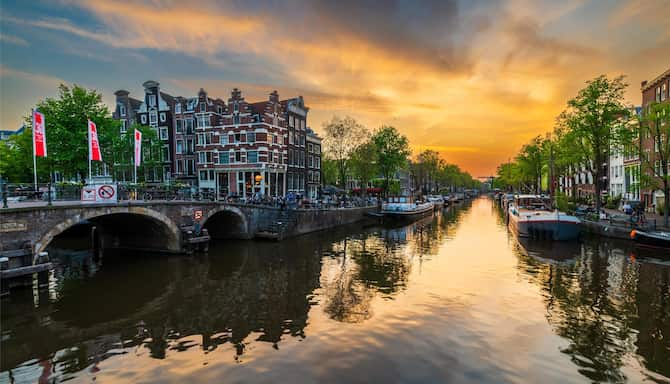
| Canal Ring cruise | Glide past gabled houses and lit bridges on the UNESCO canals | 1–2 hours | First-timers, photo fans |
| The Jordaan | Wander narrow lanes, galleries, courtyards, and quiet bars | 2–3 hours | Slow walkers, cafe lovers |
| Royal Palace Amsterdam | Tour the reception palace of King Willem-Alexander | 1–2 hours | History and architecture fans |
| EYE Filmmuseum | Cross the IJ by free ferry for film, views, and architecture | 1–2 hours | Film fans, design lovers |
| A'DAM Lookout | Take in skyline views, and try the swing over the edge | 1 hour | View seekers, thrill fans |
| Albert Cuyp Market | Browse the largest street market in the Netherlands | 1–2 hours | Food lovers, market browsers |
| Zaanse Schans windmills | See the windmill village just outside Amsterdam | Half day | Families, day-trip seekers |
Amsterdam is compact, flat, and easy to navigate in English. Dutch is the national language, but around 90% of the population speaks English at close to native level. A simple "Goedendag" (good day) is still a courteous opener in shops and hotels.
Tipping is not required. Service is included in the bill, and rounding up or leaving about 5–10% for good service is common. Tap water is safe to drink across the Netherlands.
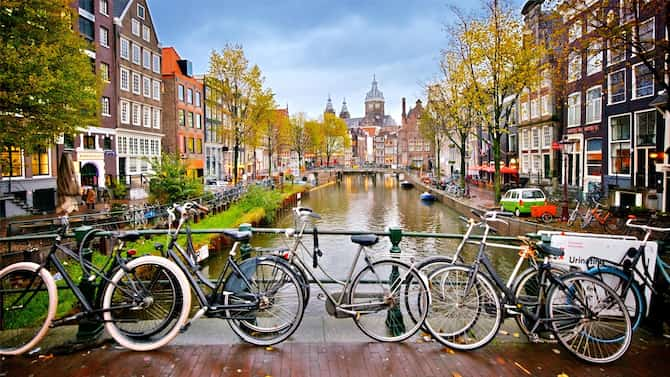
Cycling shapes daily life, with more than 800,000 bicycles in the city, so stay clear of bike lanes on foot. Try raw herring, served as a broodje haring with pickles and onions, and at its best between May and July.

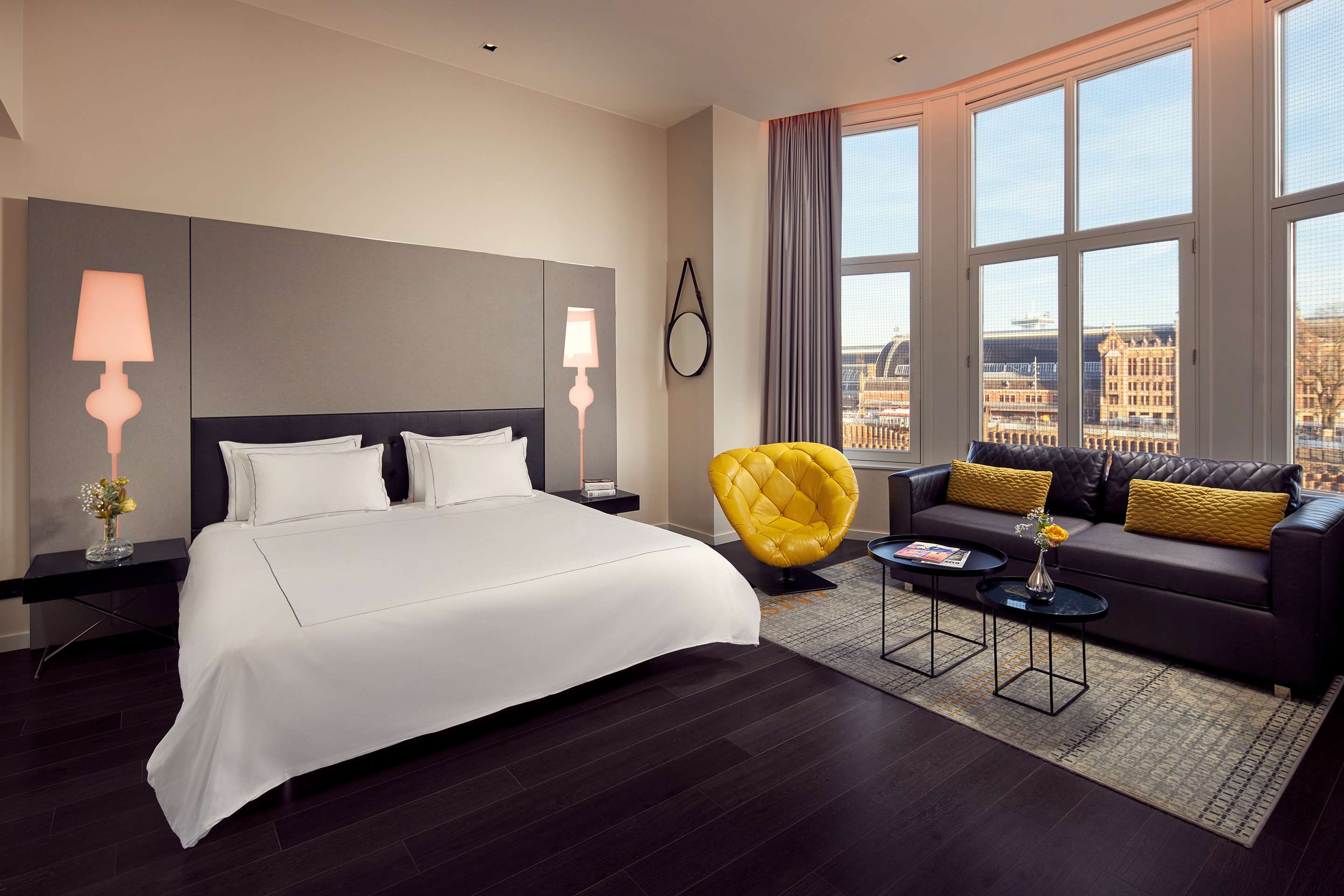
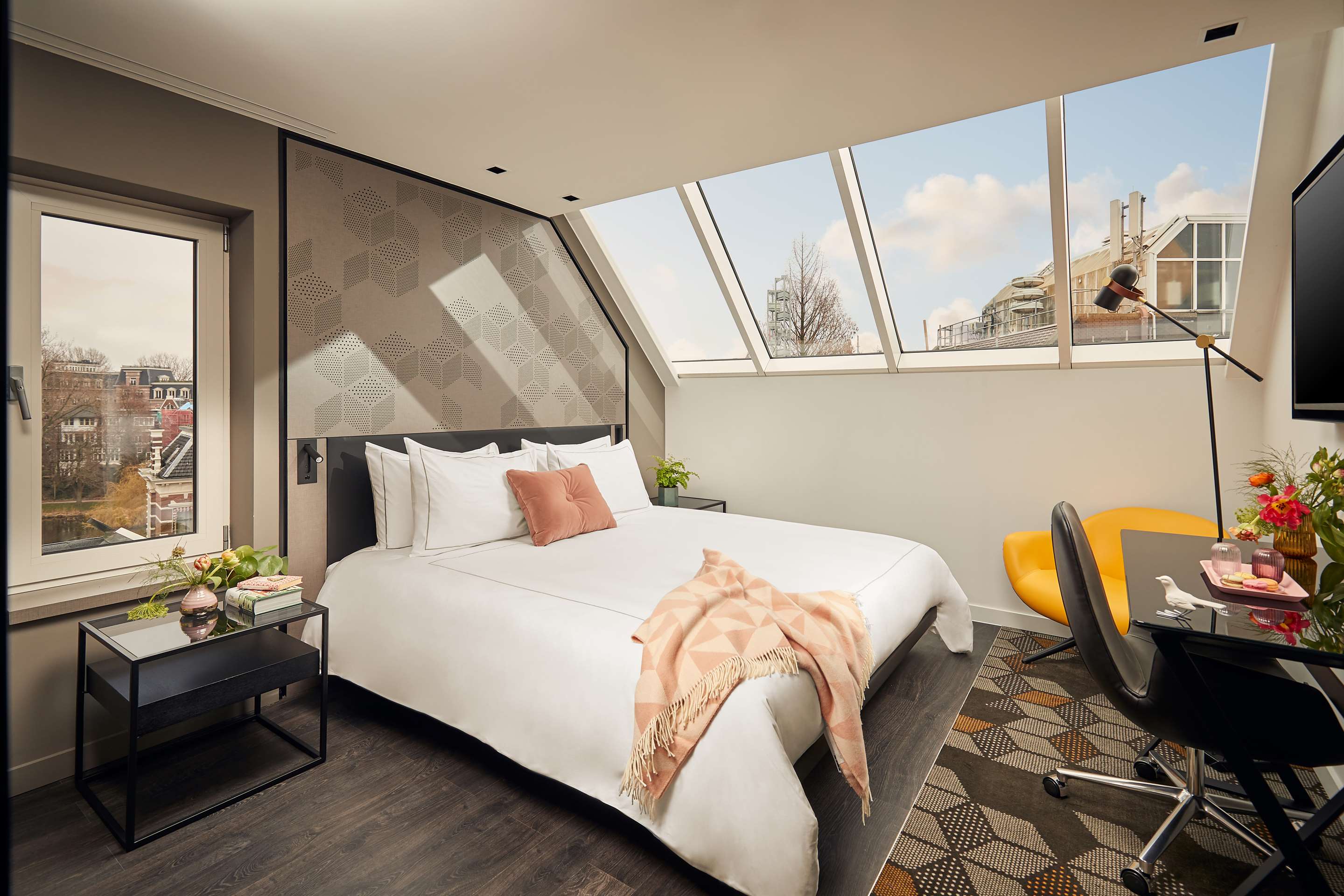
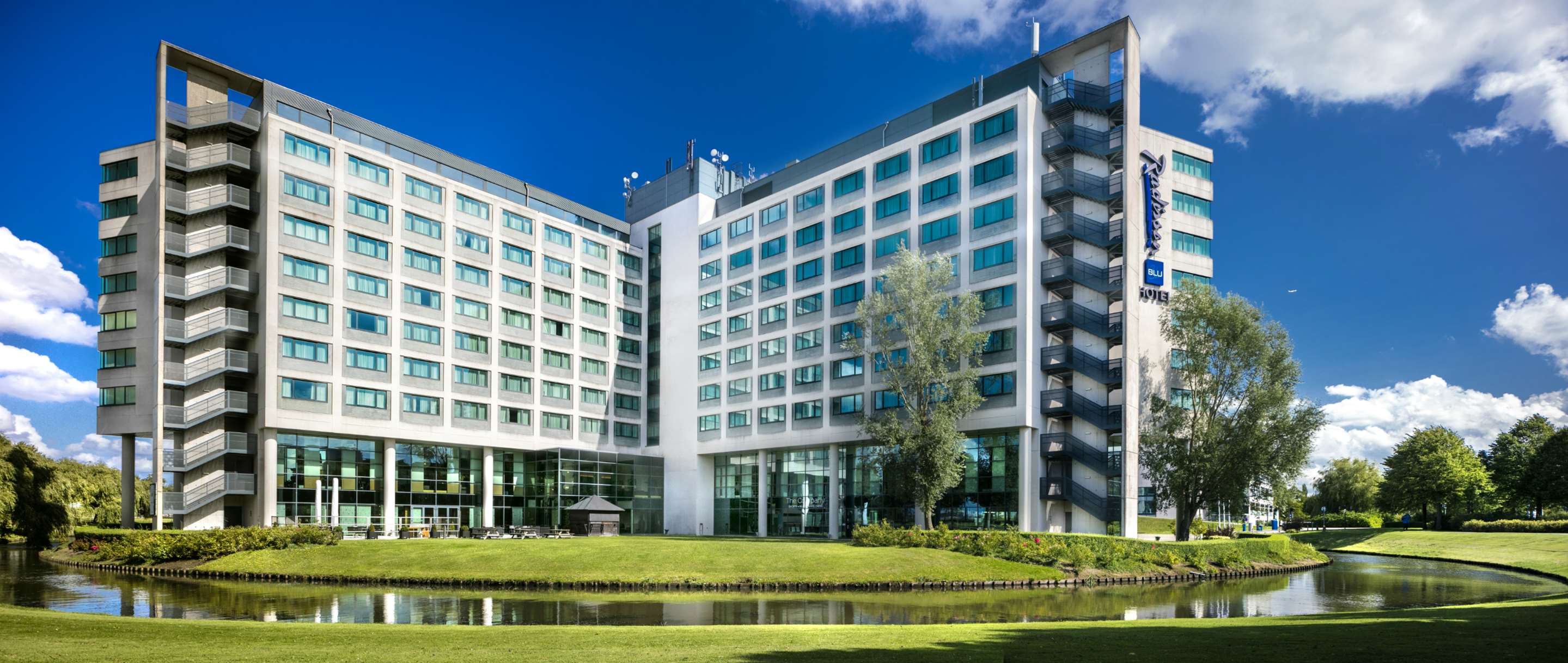
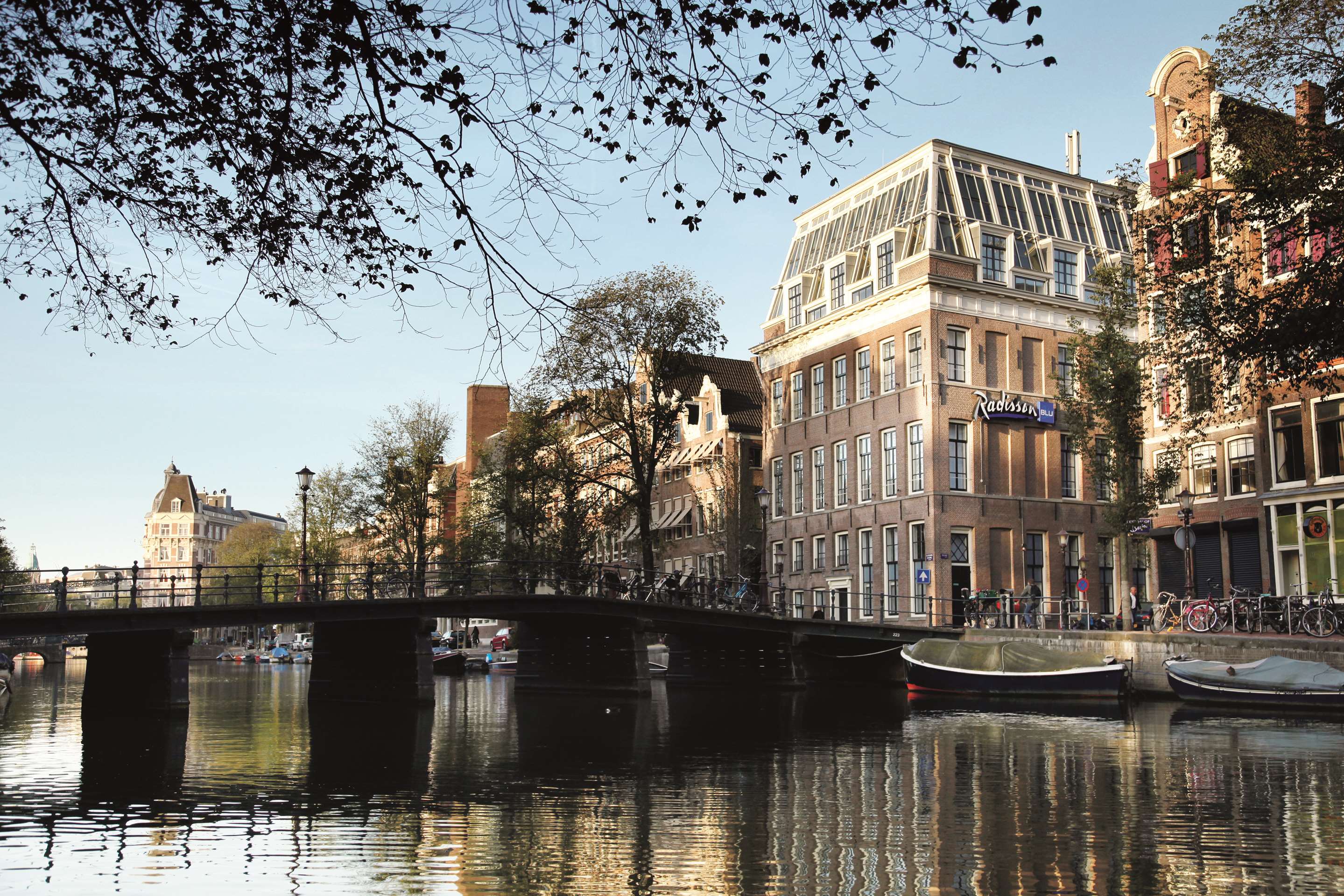
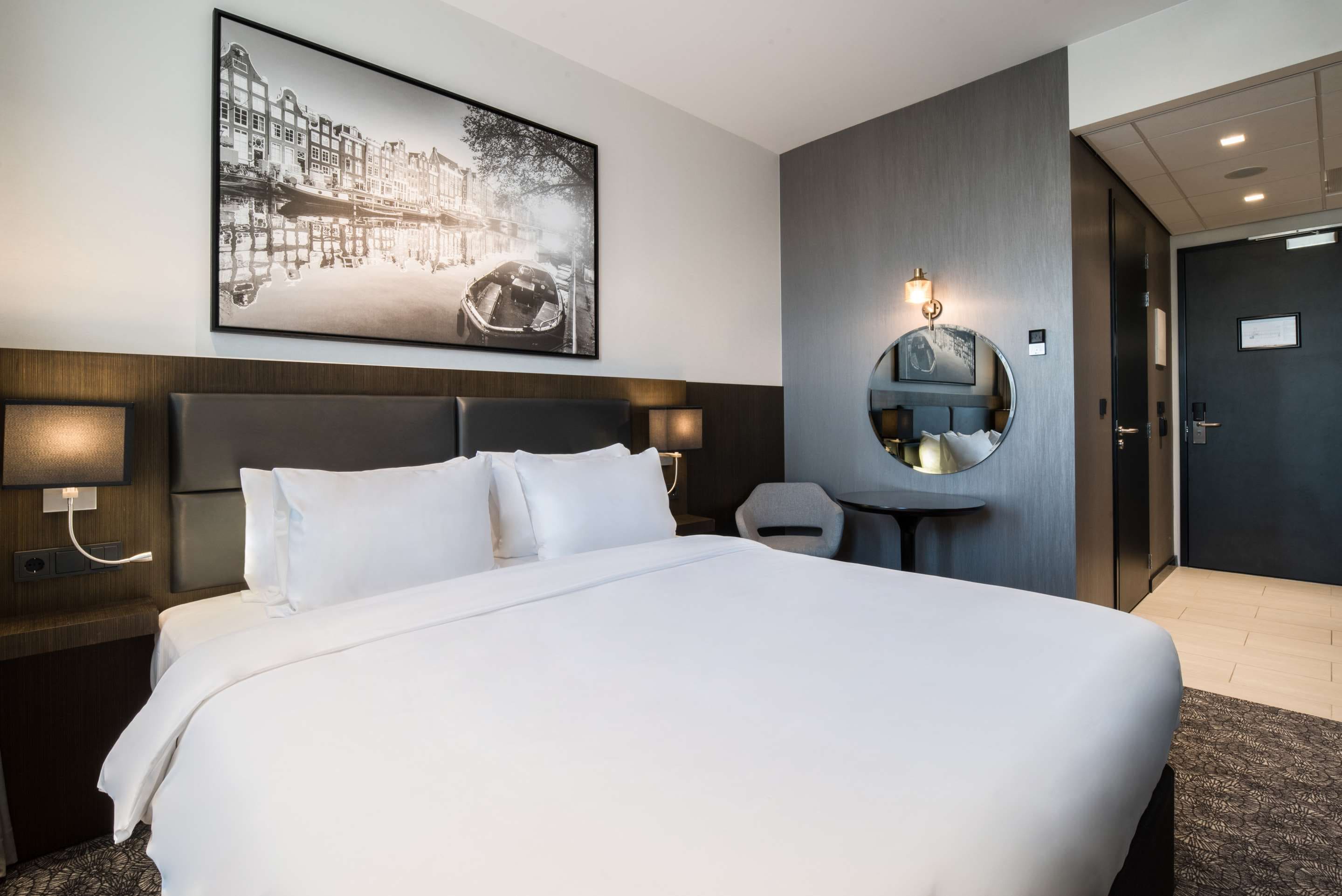
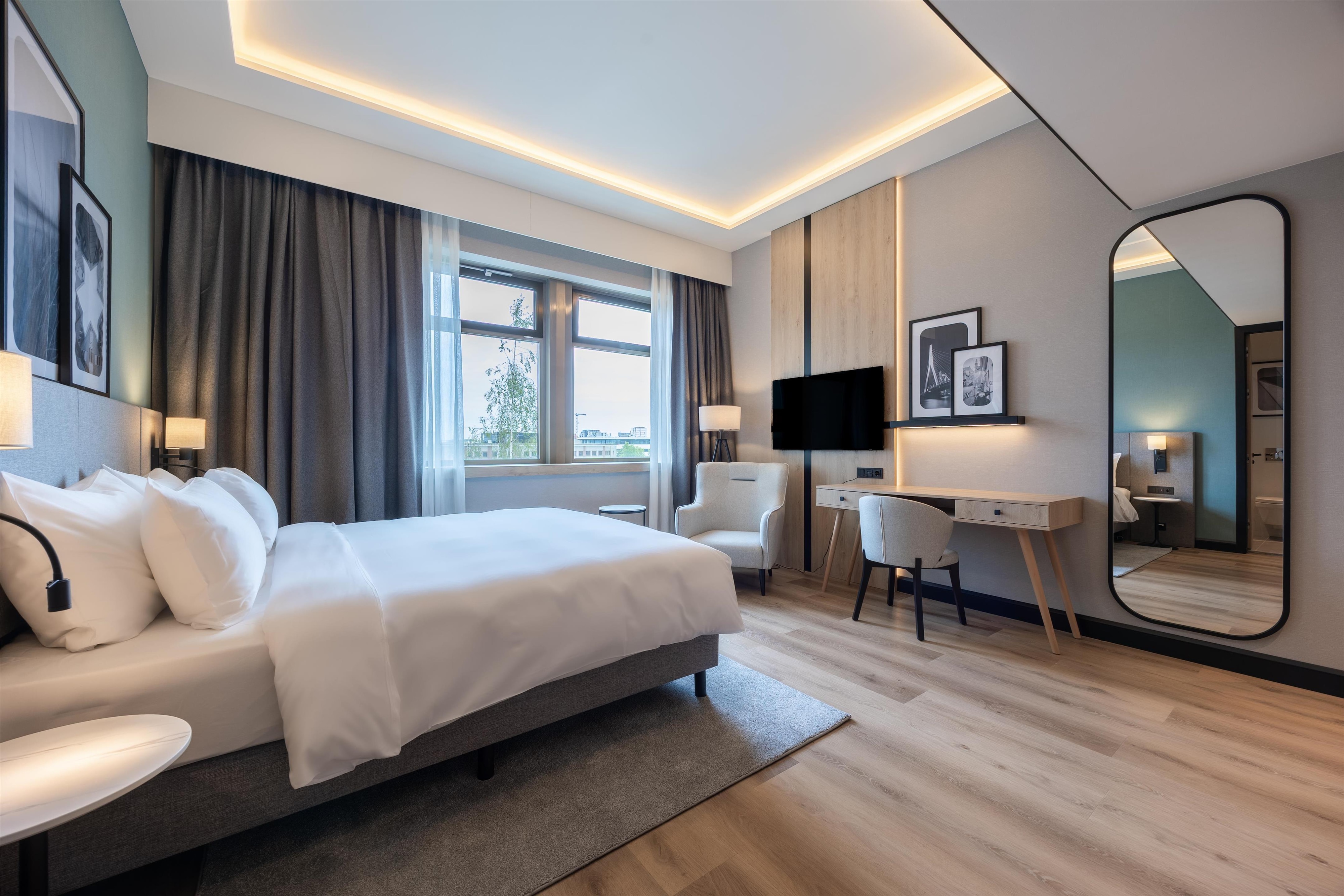
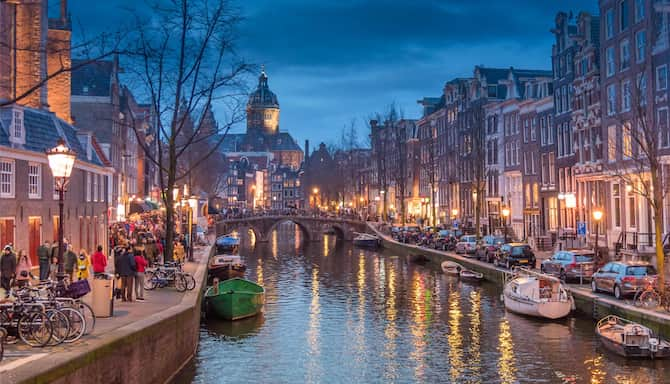
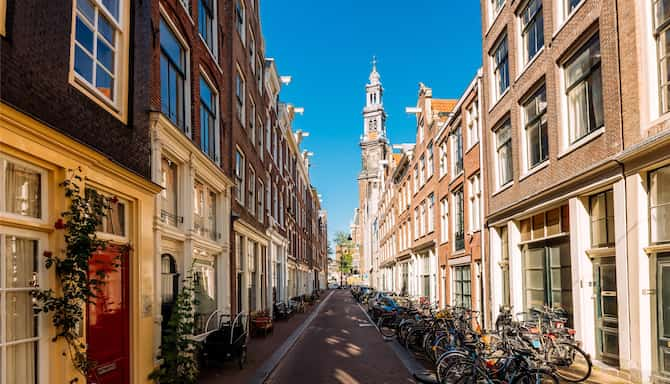
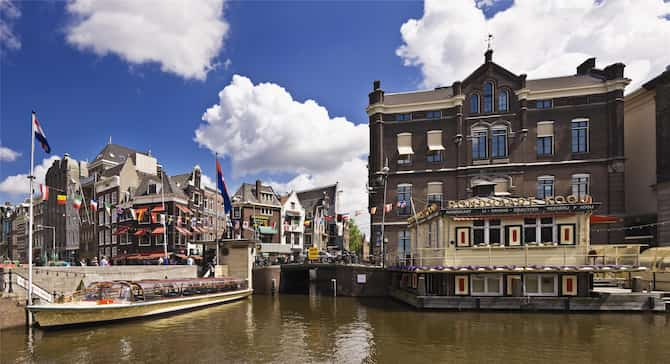
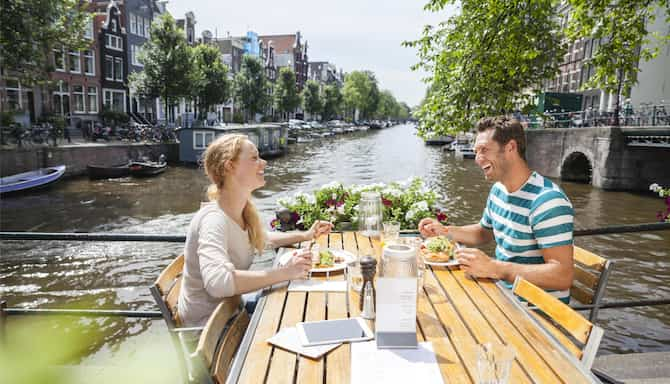
Amsterdam rewards travelers who like water, architecture, and unhurried walks. Start on the canal ring, a UNESCO World Heritage Site built in the 17th century by draining swampland into concentric arcs.
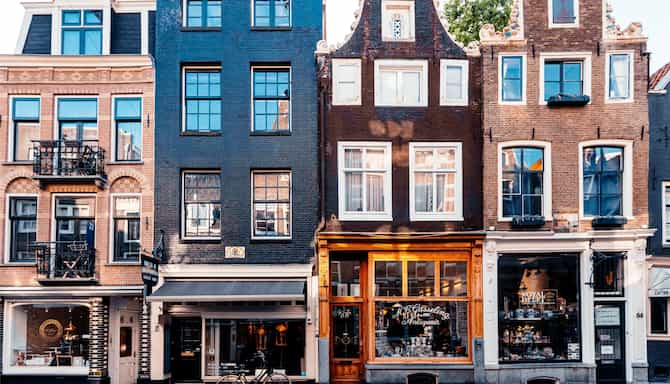
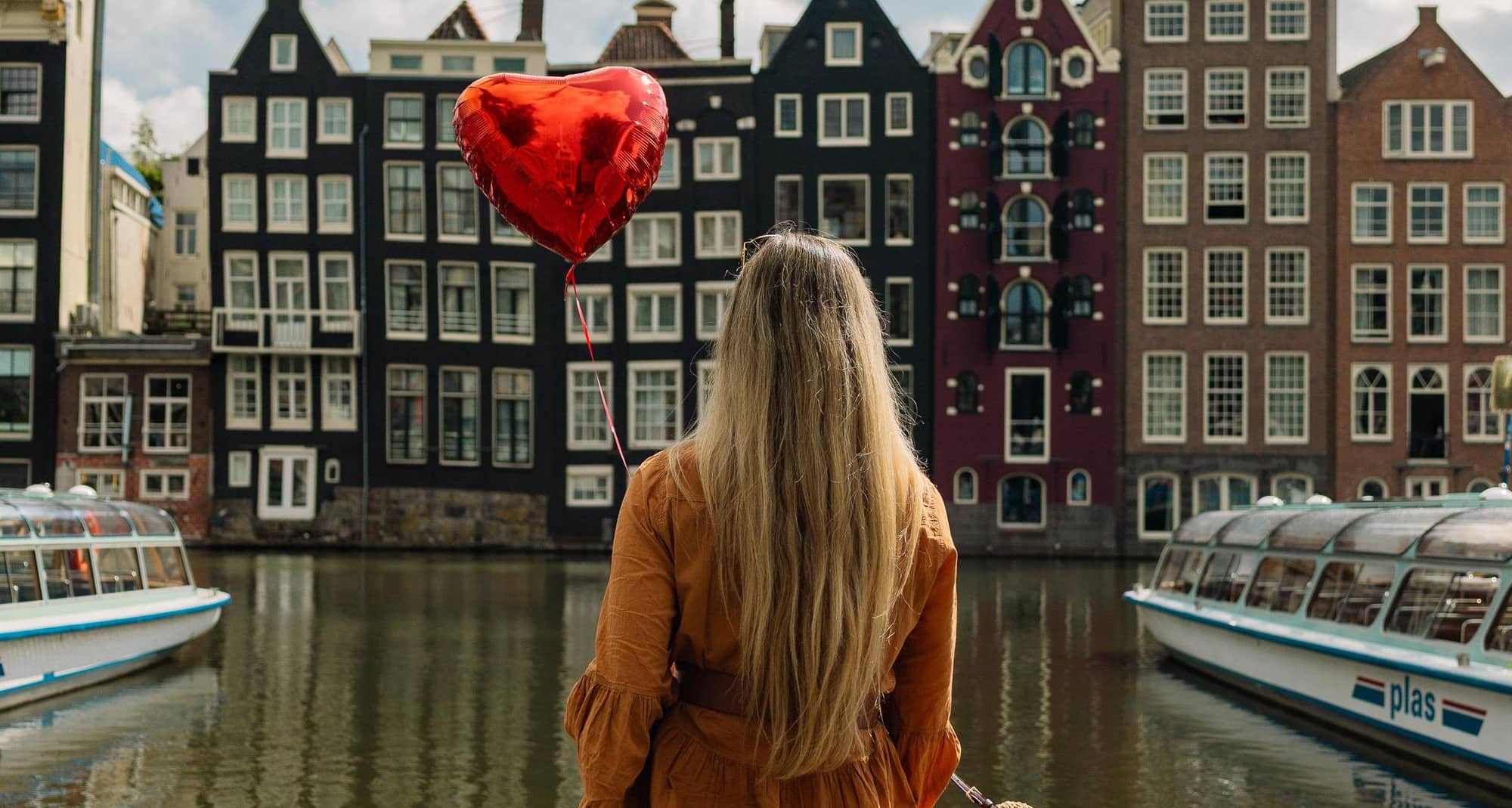
Follow the Herengracht, Keizersgracht, and Prinsengracht past gabled merchant houses and bridges, then look for the hofjes, almshouse courtyards tucked discreetly into the street line. The Anne Frank House, Royal Palace Amsterdam, Oude Kerk, and Rembrandt House Museum add centuries of city history.
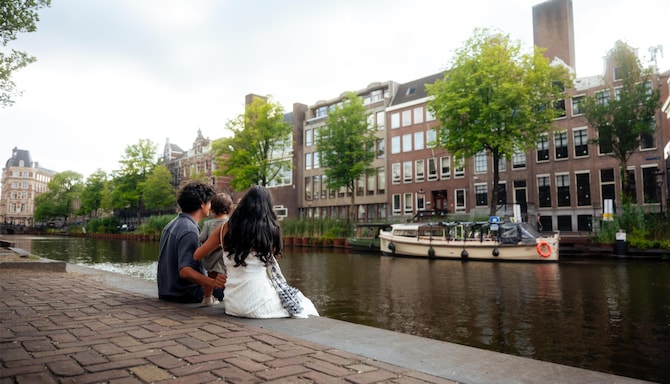
Instead of rushing between landmarks, pause for bridges and courtyards. Visit early or after dinner for quieter streets.
Come ready for straightforward food with real local character. Raw herring is the classic, served as a broodje haring in a small sandwich with pickles and onions from herring carts across the city, and said to be at its sweetest between May and July.
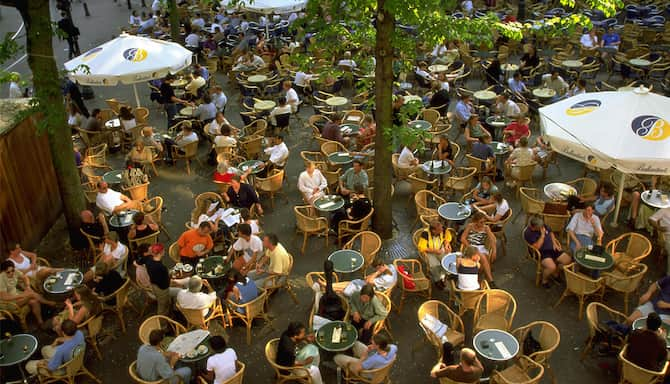
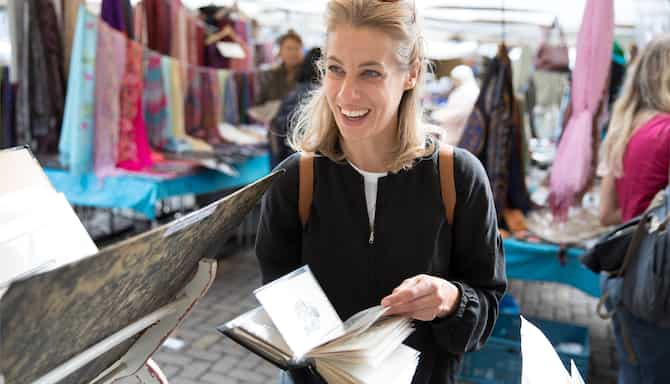
The Albert Cuyp Market is the most famous street market in Amsterdam and the largest in the Netherlands, and locals name it the best place to try herring. The Foodhallen, inside a former tram depot in Oud-West, gathers street food stalls around a central bar.
Add bakeries, canal-side cafes, and a brewery stop at Brouwerij 't IJ, set beneath the De Gooyer windmill, one of eight left in the city.
Amsterdam works well for families because the city is flat, public transport is easy, and the free ferries across the IJ turn a short crossing into an outing in itself.
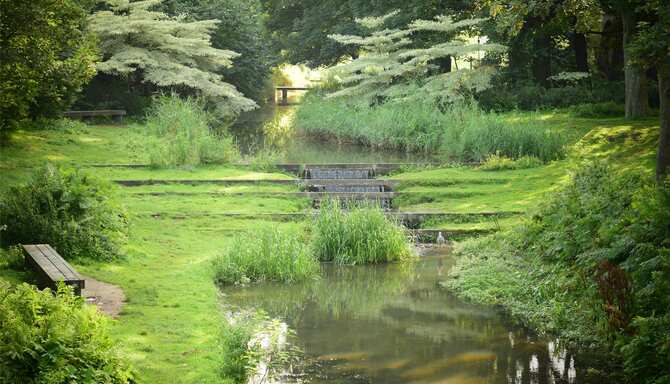
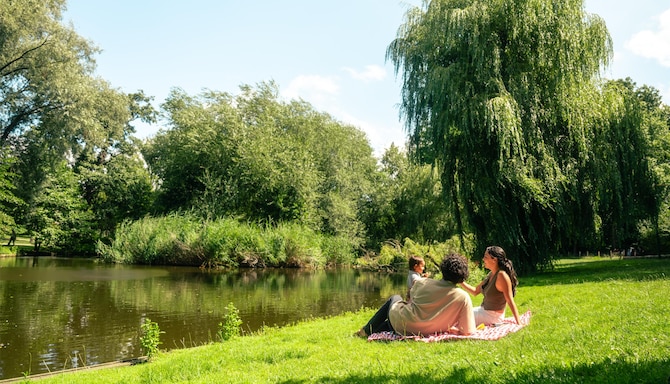
Children often enjoy the Amsterdamse Bos, almost three times the size of New York's Central Park, where the Ridammerhoeve goat farm lets them meet goats, lambs, chickens, and horses before stopping at its restaurant. The EYE Filmmuseum is a three-minute ferry ride from behind Central Station, and Museumplein has an open square with a paddling pool for warmer days.
Break up sightseeing with market stops, a canal cruise, or a ferry ride so the city feels fun rather than formal.
Start with the Nine Streets, a warren of cobbled lanes connecting the main canals between Leidsegracht and Raadhuisstraat, where more than 200 retailers include independent boutiques, vintage shops, and specialty stores.
The Jordaan adds art galleries and antique shops along its narrow lanes. For markets, the Albert Cuyp Market covers food and everyday goods, while IJ-Hallen at NDSM is a vast flea market five minutes from the ferry. De Hallen in Oud-West mixes independent stores with a cinema.
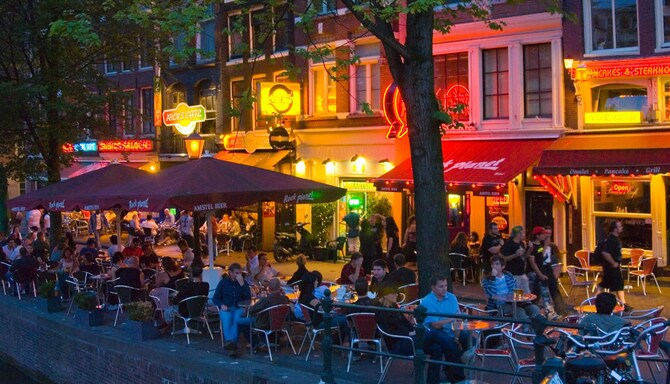
Evenings in Amsterdam can be grand, low-key, or quietly atmospheric. Paradiso, in a converted church, has hosted The Rolling Stones and Prince, while the Royal Concertgebouw sits at the classical end. Boom Chicago has staged comedy and improv in English for over 25 years.
Noord and NDSM are among the city's hippest districts, and A'DAM Lookout adds skyline views and a rooftop restaurant above the IJ. Plan a tram, metro, or night ferry back if your hotel sits outside the center.
Amsterdam is a practical base for short escapes across the surrounding region. Zaanse Schans, the windmill village in the Amsterdam Area, is the classic first choice and is included with the I amsterdam City Card.
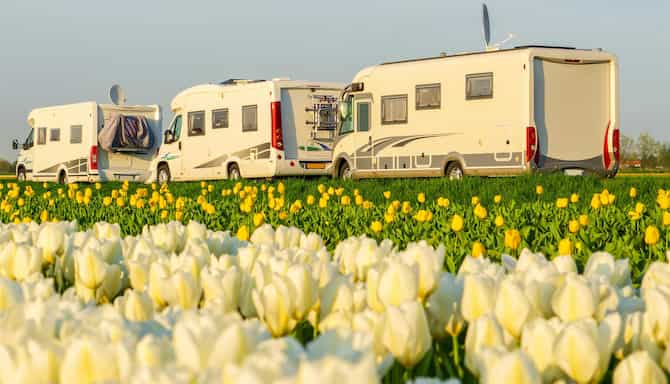
Haarlem is 20 minutes by train from Amsterdam Central and pairs history and culture with shops and cafes. Muiderslot, a 13th-century castle with five towers, a moat, and a drawbridge, sits 15 kilometers southeast of the city. In spring, the Bollenstreek tulip fields stretch between Haarlem and Leiden, about 20 minutes out.
Balance museum-heavy days with open country, canal walks, and lighter food stops so the trip stays relaxed.
Amsterdam is in the Netherlands. Entry rules depend on your nationality, passport, and length of stay, so check official guidance before booking if you are unsure.
Yes. Around 90% of the population speaks English at a level close to a native speaker. Dutch is the local language, and a greeting in Dutch is always appreciated.
Two to three days covers the canal ring, the Jordaan, one or two Museumplein galleries, the Anne Frank House, and a market. Add a day for Zaanse Schans or Haarlem.
Walk or cycle in the center, then use GVB trams, metro, and buses for longer distances. The ferries across the IJ to Amsterdam Noord are free.
For the headline museums, yes. The Van Gogh Museum requires a timed ticket from every visitor, and the Anne Frank House sells online only, with none at the door.
Tipping is not obligatory and service is included in the bill. Rounding up or leaving about 5–10% for good service is customary in restaurants.
Yes. Tap water is safe to drink everywhere in the Netherlands and costs far less than bottled. A refillable bottle is useful on long sightseeing days.
Costs shift with the season, and November to March is generally the most affordable stretch. The IJ ferries are free, and the I amsterdam City Card bundles over 70 museums and attractions with public transport.
Start with raw herring, served as a broodje haring with pickles and onions and at its best between May and July. The Albert Cuyp Market is a good place to try it.